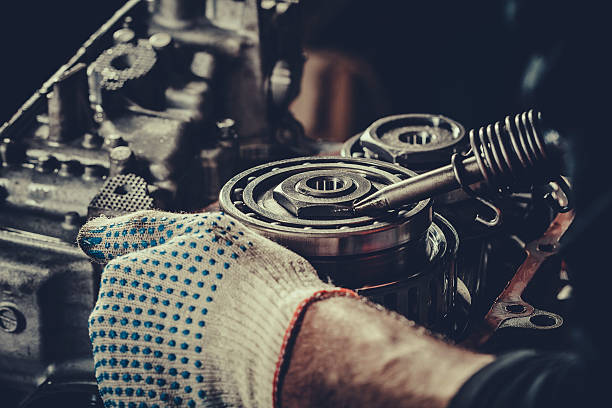
Regular maintenance of a vehicle’s transmission system is crucial to ensure its longevity and optimal performance. One vital aspect of this maintenance routine is the automatic fluid change. This process involves replacing the old transmission fluid with new, high-quality fluid to maintain the efficiency of the transmission system. Understanding the nuances of an automatic fluid change can prevent potential mechanical issues and extend the life of the vehicle’s transmission.
Why is Automatic Fluid Change Important?
The automatic transmission fluid serves multiple purposes in a vehicle: it lubricates moving parts, acts as a coolant, and transmits power from the engine to the transmission. Over time, however, the fluid can degrade and become contaminated, leading to:
- Reduced lubrication efficiency
- Increased friction and wear of internal components
- Overheating of the transmission system
Regular automatic transmission oil change is essential to avoid these issues and ensure that the vehicle continues to operate smoothly.
Understanding the Process
Preparation
Before commencing the transmission fluid change, it’s important to prepare the vehicle and gather necessary tools. This includes:
- Ensuring the vehicle is on a level surface
- Gathering tools such as a wrench, pan, and the correct type of transmission fluid
- Wearing safety gear to protect against spills and burns
Draining the Old Fluid
The process begins by draining the old transmission fluid. This involves:
- Locating and removing the transmission fluid pan
- Allowing the old fluid to completely drain into a pan
- Inspecting the fluid for any signs of contamination or metal shavings
Replacing the Filter
Many vehicles, especially those with cvt transmissions, have a filter that should be replaced during a fluid change. This ensures that:
- The new fluid remains clean
- Any debris or metal shavings are effectively filtered
- The transmission system is protected against potential damage
Refilling with New Fluid
After replacing the filter, the system is refilled with new fluid. It’s important to:
- Use the correct type and amount of transmission fluid
- Check for leaks after filling
- Test drive the vehicle to ensure smooth operation and proper fluid levels
Choosing the Right Service
For those unfamiliar with automotive maintenance, professional services are available to ensure the auto transmission oil change is conducted efficiently and safely. Professionals are equipped with the knowledge and tools necessary to handle cvt gearboxes and other transmission types, ensuring peace of mind for vehicle owners.
Conclusion
Regular automatic fluid change is a critical component of vehicle maintenance. By understanding the process and ensuring it is performed correctly, vehicle owners can enhance the performance and longevity of their transmission systems. Whether opting for a DIY approach or engaging professional services, the benefits of maintaining your vehicle’s transmission fluid cannot be overstated.
About the Author