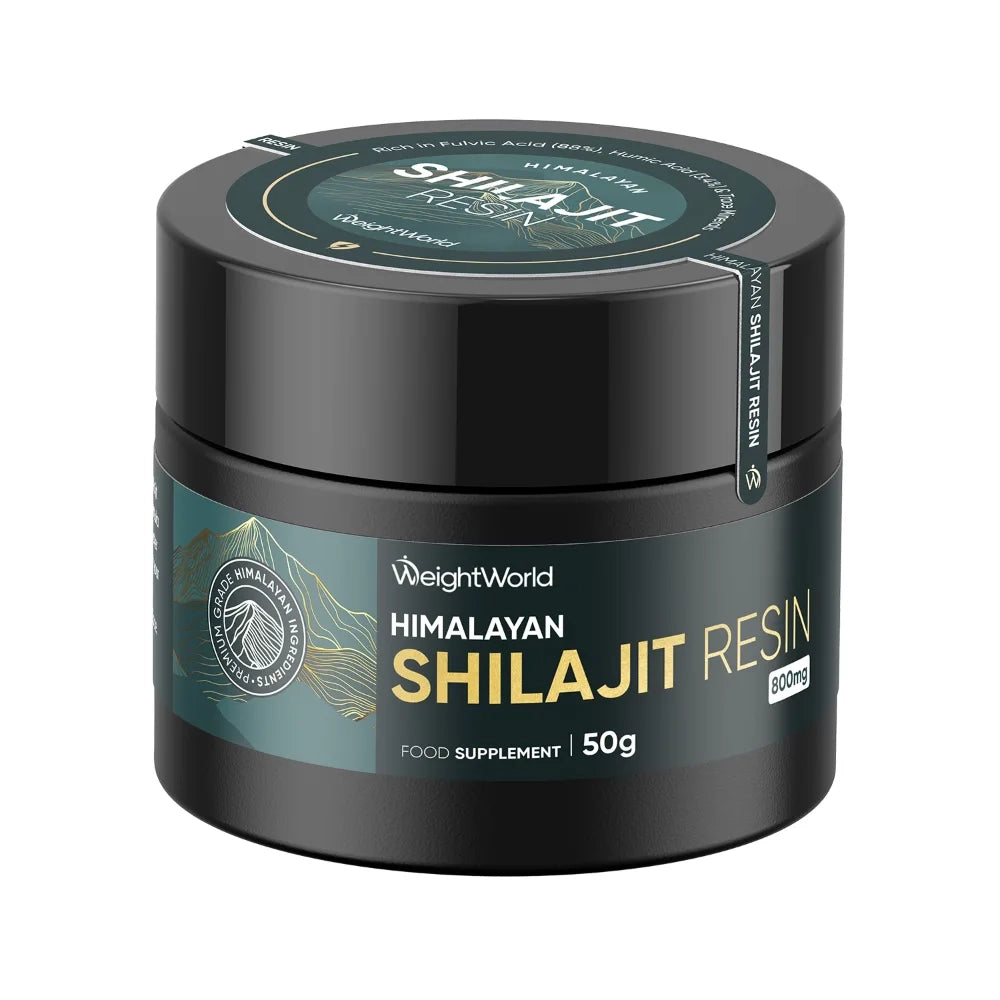
Shilajit, a mineral-rich resin harvested from the high-altitude rocks of the Himalayas, has become a staple in the UK wellness market for its reputed adaptogenic and rejuvenating properties. With a surge of products claiming purity, potency, and specific health benefits, consumers often find themselves overwhelmed when selecting a supplement that truly aligns with their goals. This guide demystifies the key factors to consider, outlines how to verify quality, and highlights practical tips for integrating shilajit safely into a daily routine.
Understanding Shilajit: Composition and Benefits
Shilajit is formed over centuries as plant matter decomposes under extreme pressure, resulting in a complex mixture of:
- Fulvic acid – the primary active component that enhances nutrient absorption.
- Trace minerals – over 80 essential elements including iron, zinc, magnesium, and calcium.
- Organic acids and vitamins – contributing to antioxidant activity.
Research suggests that regular consumption may support:
- Energy metabolism and reduced fatigue.
- Joint and bone health through mineral supplementation.
- Cognitive function by protecting neuronal cells.
- Hormonal balance, particularly testosterone levels in men.
Key Criteria for Selecting a High-Quality Shilajit Supplement
1. Source and Harvesting Method
The geographical origin influences mineral profile. Authentic Himalayan shilajit, especially from regions like Ladakh or the Altai Mountains, tends to have a richer fulvic acid content. Look for products that disclose the exact source and certify that harvesting follows sustainable practices.
2. Purity and Processing
Raw shilajit contains impurities such as heavy metals, soil particles, and microbial contaminants. Reputable manufacturers employ a multi-stage purification process that includes:
- Water extraction to isolate soluble compounds.
- Filtration to remove insoluble debris.
- Laboratory testing for heavy metals (lead, arsenic, mercury) and microbial load.
Products that provide third-party lab reports demonstrate transparency and commitment to safety.
3. Formulation Type
Shilajit is available as resin, powder, capsules, and liquid extracts. Each format has pros and cons:
- Resin – most traditional, highest concentration, but requires careful dosing.
- Capsules – convenient, pre-measured doses, ideal for travel.
- Powder – easy to mix into smoothies, though potency can vary.
- Liquid extracts – fast absorption, but may contain added carriers.
4. Dosage Recommendations
Typical daily dosages range from 300″?mg to 500″?mg of pure resin, equivalent to about a pea-size portion. Capsules often provide 250″?mg per serving. Starting with a lower dose and gradually increasing helps assess tolerance.
5. Brand Reputation and Customer Feedback
While the guide avoids direct promotion, examining independent reviews and community forums can reveal consistency in product quality. Brands that actively share lab analyses and respond to consumer inquiries tend to maintain higher standards.
How to Verify Authenticity
When evaluating a product, consider the following verification steps:
- Certificate of Analysis (CoA) – Request or locate a recent CoA that details fulvic acid concentration, mineral content, and contaminant limits.
- Packaging Transparency – Look for clear labeling of source, batch number, and expiration date.
- Physical Characteristics – Authentic resin is dark brown, glossy, and dissolves completely in warm water without leaving residue.
- Price Benchmarking – Extremely low prices may indicate diluted or synthetic alternatives.
Integrating Shilajit into a Healthy Lifestyle
Shilajit works best when combined with balanced nutrition, regular exercise, and adequate sleep. Here are practical tips for safe incorporation:
- Take the supplement on an empty stomach (morning or before workouts) for optimal absorption.
- Mix resin into warm (not boiling) water, tea, or a smoothie; avoid high-heat preparation that could degrade fulvic acid.
- Stay hydrated throughout the day, as shilajit can increase mineral uptake.
- Monitor any changes in energy levels or digestive comfort and adjust dosage accordingly.
Common Questions and Answers
Is shilajit safe for everyone?
Generally safe for healthy adults, but individuals with autoimmune disorders, pregnant or nursing women, and those on anticoagulant medication should consult a healthcare professional before use.
Can shilajit cause side effects?
Rare side effects include mild gastrointestinal discomfort or a temporary increase in urination. These often resolve with proper dosing.
How long does it take to notice benefits?
Most users report increased vitality within 2-4 weeks of consistent use, though measurable changes in biomarkers (e.g., testosterone) may require 8-12 weeks.
Where to Find Reliable Shilajit Products in the UK
For those seeking a trustworthy source, the UK market offers several vetted options. Detailed product listings, lab results, and user testimonials are consolidated on dedicated wellness platforms. Discover expert strategies here to navigate product categories, compare formulations, and select a supplement that aligns with personal health objectives.
Additional resources such as scientific summaries and dosage calculators are also available. Learn about our tailored solutions to deepen understanding of how shilajit interacts with other nutrients and lifestyle factors.
For ongoing education, consider subscribing to newsletters that highlight emerging research and seasonal promotions. Explore advanced guides and tips to stay informed about optimal usage patterns and new product innovations.
Finally, if curiosity remains about the broader health implications of mineral adaptogens, Find out more about this approach through curated articles, expert interviews, and community discussions.
About the Author

