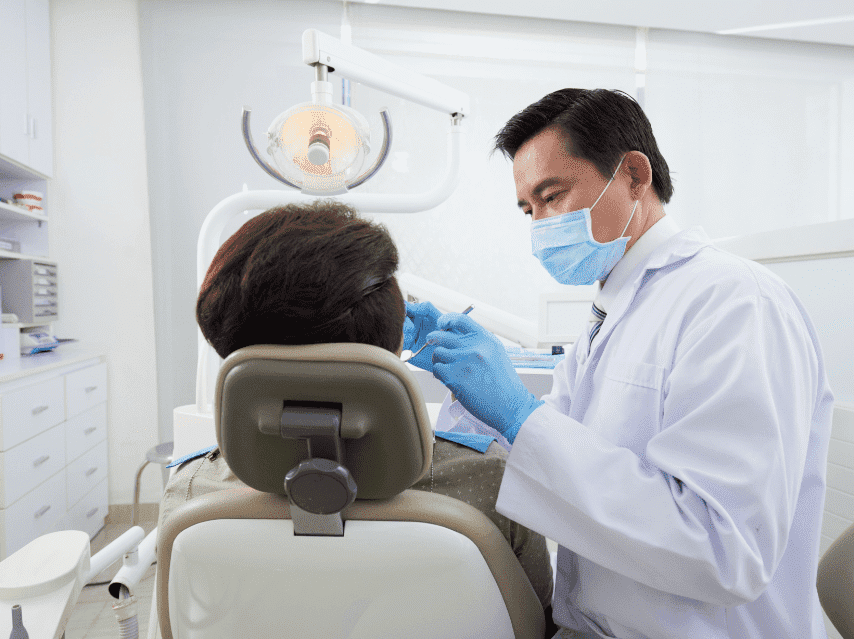
Root canal therapy is a common dental procedure that saves a damaged or infected tooth from extraction. In Brampton, patients benefit from modern techniques that reduce discomfort and improve long-term oral health. Understanding what the treatment entails helps individuals make informed decisions and prepares them for each step of the process.
Why Root Canal Therapy Is Needed
When the pulp inside a tooth becomes inflamed or infected due to decay, trauma, or deep fillings, the nerves and blood vessels can cause severe pain. If left untreated, the infection may spread to surrounding bone and tissue, leading to abscesses or tooth loss. Root canal therapy removes the diseased pulp, cleans the interior of the tooth, and seals it to prevent future infection.
The Procedure Step-by-Step
1. Diagnosis and Planning
- Comprehensive clinical examination and X-ray imaging.
- Assessment of the tooth’s condition and surrounding structures.
- Discussion of treatment options and expected outcomes.
2. Anesthesia and Access
- Local anesthetic is administered to ensure a pain-free experience.
- A small opening is created in the crown of the tooth to reach the pulp chamber.
3. Removal of Infected Pulp
- Specialized files are used to clean and shape the root canals.
- Antimicrobial solutions flush out debris and bacteria.
4. Shaping and Filling
- The canals are tapered to receive a biocompatible filling material (usually gutta-percha).
- Sealer is applied to create a tight seal, preventing re-infection.
5. Restoration
- After the canal is sealed, the tooth is restored with a filling or crown.
- Restoration restores function and protects the tooth from fracture.
What to Expect After Treatment
Most patients experience mild soreness for a few days, which can be managed with over-the-counter pain relievers. It is important to maintain good oral hygiene and attend follow-up appointments to ensure the tooth remains healthy.
Benefits of Modern Root Canal Therapy in Brampton
- High success rate, up to 95% of treated teeth remain functional for many years.
- Minimally invasive techniques that preserve natural tooth structure.
- Quick recovery times compared to traditional extraction and implant placement.
- Cost-effective alternative to tooth removal.
Choosing the Right Dental Professional
Selecting a practitioner with extensive experience in endodontics ensures the procedure is performed efficiently and comfortably. Detailed explanations of each step, along with personalized care plans, contribute to a positive patient experience.
For those seeking comprehensive information, Discover expert strategies here. This resource outlines the latest techniques and patient guidelines specific to the Brampton area.
Common Questions About Root Canal Therapy
- Is the procedure painful? Modern anesthesia and refined techniques make the experience virtually pain-free.
- How long does it take? Typically, one to two visits are required, each lasting about 60-90 minutes.
- Can I eat normally after treatment? Soft foods are recommended for the first 24 hours; normal diet can resume once any soreness subsides.
- Will the tooth look natural? With proper restoration, the treated tooth functions and appears like any other tooth.
To explore detailed guidelines and patient stories, Learn about our tailored solutions. The page provides insight into the full scope of care offered in Brampton.
Maintaining a Healthy Tooth After a Root Canal
Long-term success depends on diligent oral care. Follow these recommendations:
- Brush twice daily with fluoride toothpaste.
- Floss daily to remove plaque from between teeth.
- Schedule regular dental check-ups and cleanings.
- Avoid chewing on hard objects that could fracture the restored tooth.
Additional tips and preventive measures can be found by Find out more about this approach. This guide offers practical advice for preserving the integrity of a root-canaled tooth.
Conclusion
Root canal therapy in Brampton combines advanced technology with skilled clinical expertise to rescue teeth that might otherwise be lost. By understanding each phase of the procedure, patients can approach treatment with confidence, knowing that the outcome supports both function and aesthetics for years to come.
About the Author