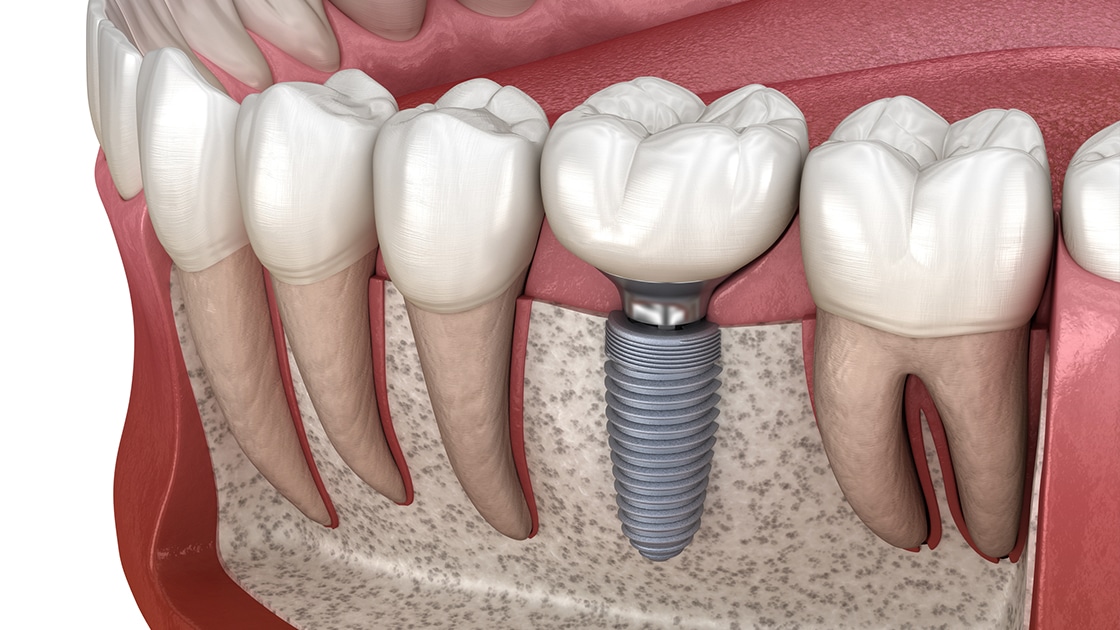
Restoring dental functionality is crucial for maintaining overall oral health and well-being. One effective solution for missing teeth is the dental bridge. Dental bridges are prosthetic devices that bridge the gap created by one or more missing teeth, anchored securely to adjacent teeth or dental implants. This article explores the benefits of dental bridges, the process of getting one, and how they can restore the functionality and aesthetics of a healthy smile.
Understanding Dental Bridges
Dental bridges are essential for those who have lost teeth due to decay, injury, or periodontal disease. By filling the gaps in your smile, bridges provide structural support, preventing remaining teeth from shifting out of position. Without treatment, these shifts can lead to further oral health complications.
Types of Dental Bridges
There are several types of dental bridges available, each designed to meet specific needs. Choosing the right type involves considering the location of the missing teeth, the health of surrounding teeth, and personal preferences. Common types include:
- Traditional Bridges: These involve creating a crown for the tooth or implant on either side of the missing tooth, with a pontic in between. They are the most widely used type of dental bridge.
- Cantilever Bridges: Used when adjacent teeth are present on only one side of the missing tooth or teeth.
- Maryland Bonded Bridges: Also known as resin-bonded bridges, they use metal or porcelain wings on each side of the bridge bonded to existing teeth.
- Implant-Supported Bridges: These offer the most stable and durable solution, using dental implants instead of crowns or frameworks.
To explore advanced guides and tips on dental bridges, discover expert strategies here.
The Benefits of Dental Bridges
Dental bridges offer numerous benefits beyond filling the gaps in a smile. They play a significant role in enhancing both the functional and aesthetic aspects of oral health:
- Restoration of Functionality: Bridges help restore the ability to chew and speak properly, which can be significantly impaired by missing teeth.
- Prevention of Teeth Shifting: By filling gaps, bridges prevent remaining teeth from moving out of position, which helps maintain proper alignment.
- Improved Aesthetics: Bridges help maintain the natural shape of the face and enhance one’s smile.
- Durability and Longevity: With proper care, dental bridges can last many years, offering a long-term solution for missing teeth.
To find out more about this approach and how it can benefit your oral health, learn about our tailored solutions.
The Procedure for Getting a Dental Bridge
The procedure for obtaining a dental bridge typically involves multiple visits and is tailored to the individual’s specific needs. Here?s a general overview of the process:
- Initial Consultation: A dental professional will evaluate the overall oral health and determine the best type of bridge for the patient.
- Preparation of Abutment Teeth: The teeth adjacent to the gap are prepared by removing a portion of enamel to make room for the crown.
- Impressions: An impression of the teeth is made to fabricate the bridge, pontic, and crowns.
- Fitting and Adjustments: Once the bridge is ready, it is fitted to ensure comfort and functionality.
- Final Placement: The bridge is permanently cemented into place, restoring the smile.
For a comprehensive guide on the dental bridge procedure, explore advanced guides and tips.
Maintaining Your Dental Bridge
Proper maintenance of a dental bridge is crucial for its longevity and functionality. Here are some tips for caring for your dental bridge:
- Regular Brushing and Flossing: Maintain good oral hygiene by brushing twice a day and flossing daily to remove plaque and food debris.
- Routine Dental Visits: Schedule regular check-ups and cleanings to monitor the health of your bridge and surrounding teeth.
- Avoid Hard Foods: Minimize the risk of damage by avoiding hard or sticky foods.
- Use a Special Flossing Tool: Consider using a floss threader or a water flosser to clean around the bridge effectively.
To learn more about maintaining your dental bridge and ensuring its longevity, find out more about this approach.
About the Author