Maine’s unique climate presents a variety of challenges and opportunities for residential insulation. With its long, cold winters and humid summers, effective insulation is crucial for energy efficiency and comfort. Homeowners in Maine stand to benefit significantly from choosing the right insulation solutions that cater to these specific environmental conditions. Understanding the importance of insulation, the types available, and how they can be tailored to individual needs is essential for anyone looking to enhance their home’s energy efficiency and comfort.
Understanding the Importance of Insulation
Insulation serves as a barrier to heat flow and is essential for keeping homes warm in the winter and cool in the summer. In Maine, where temperature fluctuations can be extreme, proper insulation not only improves comfort but also reduces energy consumption, leading to lower utility bills.
Benefits of Proper Insulation
- Reduces energy bills by maintaining a stable indoor temperature.
- Enhances comfort by preventing drafts and cold spots.
- Improves indoor air quality by reducing moisture and allergens.
- Increases property value by improving energy efficiency ratings.
For detailed strategies on improving energy efficiency through insulation, discover expert strategies here.
Types of Insulation Suitable for Maine Homes
Choosing the right type of insulation is critical in addressing the specific needs of Maine homes. The options include:
Spray Foam Insulation
Spray foam insulation is highly effective for sealing gaps and providing an airtight seal. It’s ideal for attics, walls, and crawl spaces. This type of insulation expands upon application, allowing it to fill even the smallest spaces. To explore advanced guides and tips on spray foam applications, visit the provided resource.
Fiberglass Insulation
Fiberglass is a popular choice due to its cost-effectiveness and ease of installation. It’s suitable for standard stud and joist spacing and can be used in various parts of the home, such as walls, attics, and floors.
Cellulose Insulation
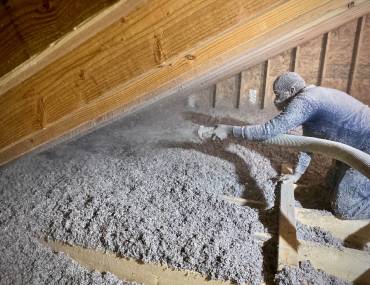
Made from recycled paper products, cellulose insulation is an eco-friendly option that provides excellent thermal performance. It is especially useful in hard-to-reach areas such as attics and wall cavities.
For more information on selecting the right type of insulation, find out more about this approach.
Tailored Insulation Solutions for Maine’s Climate
Each home is unique, and insulation solutions should be tailored to address specific issues and needs. This involves a comprehensive assessment of the home to identify areas where energy loss is most significant.
Assessment and Planning
A thorough insulation assessment involves:
- Evaluating current insulation performance.
- Identifying air leaks and drafts.
- Measuring R-values to determine thermal resistance.
To learn about tailored solutions for your home, explore available resources that guide you through this process.
Installation and Maintenance
Proper installation is crucial to the effectiveness of any insulation material. It is recommended to engage professionals who understand the intricacies of different insulation materials and Maine’s climate. Regular maintenance checks ensure that the insulation continues to perform optimally over time.
For more insights into maintaining and optimizing residential insulation, learn about our tailored solutions.
Conclusion
The benefits of proper residential insulation in Maine extend beyond energy efficiency and comfort to include environmental considerations and property value improvements. By understanding the types of insulation available and their specific applications, homeowners can make informed decisions that will benefit them for years to come. For further information and guidance, homeowners are encouraged to explore advanced guides and tips available online.
About the Author