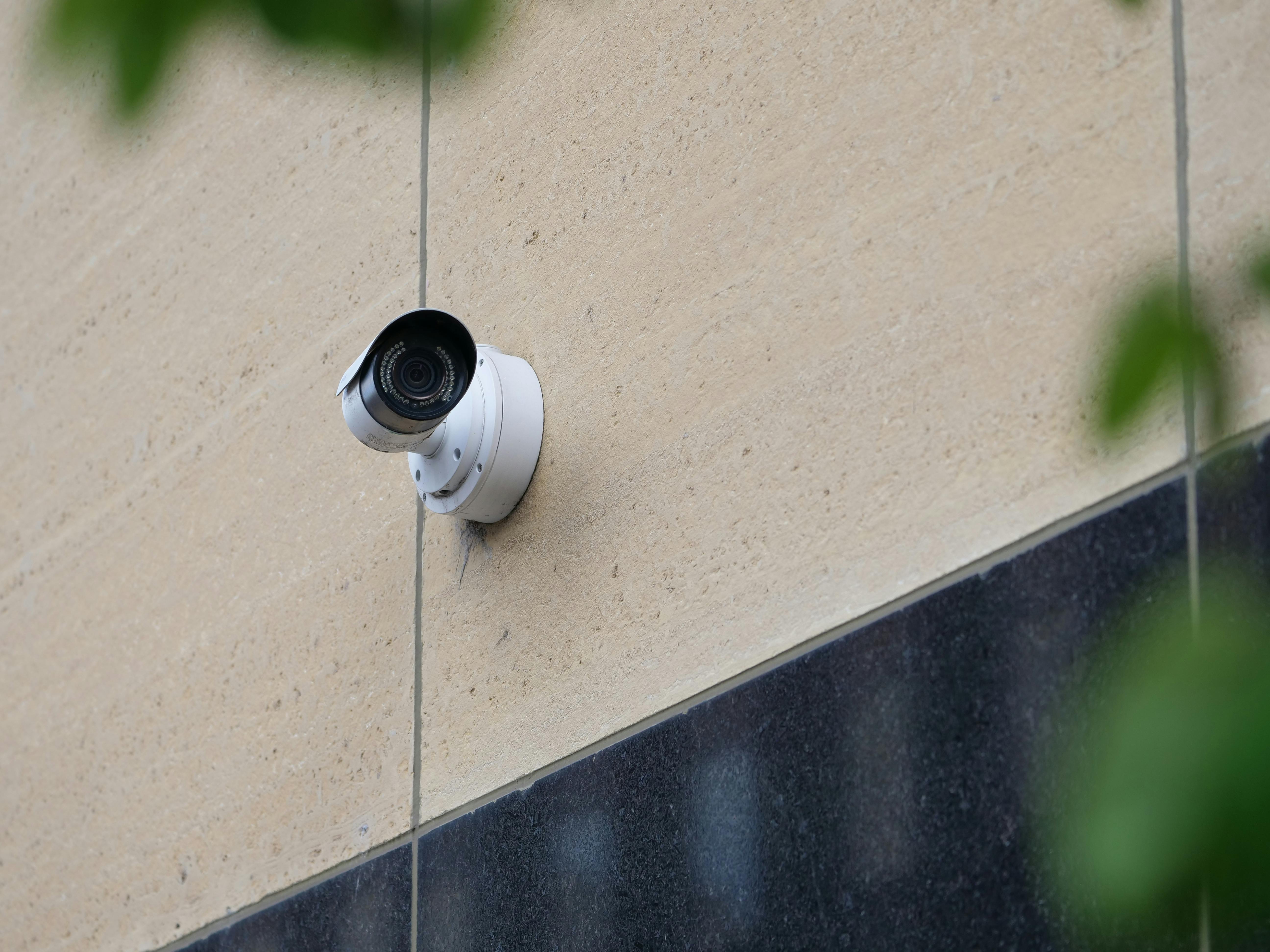
In an era where security threats are becoming increasingly sophisticated, businesses in Ireland are prioritizing the implementation of robust security measures. One of the most effective means to safeguard assets, employees, and sensitive information is through the installation of Closed-Circuit Television (CCTV) systems. These systems serve not only as a deterrent to potential criminal activity but also provide invaluable evidence should an incident occur. This article explores the benefits of integrating CCTV systems into business operations and highlights key considerations for their implementation.
The Importance of CCTV Systems for Businesses
Businesses, regardless of size or industry, face a myriad of security challenges. The incorporation of CCTV systems can significantly mitigate these risks by offering:
- Deterrence: The visible presence of cameras can discourage criminal activities such as theft and vandalism.
- Evidence Collection: In the event of a security breach, CCTV footage can serve as crucial evidence for law enforcement and insurance purposes.
- Remote Monitoring: Business owners can monitor activities in real-time from any location, ensuring constant oversight.
- Increased Employee Safety: Cameras can help maintain a safe working environment by monitoring compliance with safety protocols.
- Operational Efficiency: CCTV systems can assist in monitoring workflow and productivity, providing insights into operational improvements.
For businesses looking to enhance their security infrastructure, it is essential to explore advanced guides and tips on CCTV system integration.
Key Considerations for Implementing CCTV Systems
When planning to install a CCTV system, several factors must be addressed to ensure optimal performance and compliance with legal regulations.
Legal and Privacy Considerations
Businesses must adhere to data protection laws when deploying CCTV systems. This involves:
- Informing employees and visitors about the presence of surveillance cameras.
- Ensuring footage is securely stored and accessible only to authorized personnel.
- Regularly auditing and reviewing surveillance policies to comply with evolving regulations.
To stay informed about compliance and best practices, find out more about this approach.
Technical Specifications
Choosing the right technical specifications for a CCTV system is crucial. Consider the following:
- Camera Type: Decide between analog or IP cameras based on resolution needs and budget constraints.
- Storage: Evaluate storage options, such as cloud-based solutions versus local storage, based on data retention requirements.
- Integration: Ensure the system can integrate with existing security infrastructure, such as alarms and access control systems.
- Scalability: Opt for systems that allow for easy expansion as business needs grow.
For businesses seeking tailored solutions that address these technical needs, learn about our tailored solutions.
Choosing a Reliable CCTV System Provider
Partnering with a reputable provider is essential to ensure the successful deployment and maintenance of CCTV systems. Consider the following when selecting a provider:
- Experience and Expertise: Choose a provider with a proven track record in delivering comprehensive security solutions.
- Customer Support: Ensure there is access to reliable customer support and maintenance services.
- Customization: Opt for a provider that offers bespoke solutions tailored to specific business needs.
- Quality of Equipment: Verify that the equipment meets industry standards and is of high quality.
For more information on selecting a provider that aligns with these criteria, discover expert strategies here.
In conclusion, investing in a robust CCTV system is a strategic move for businesses in Ireland aiming to bolster their security posture. By understanding the benefits, legal considerations, and technical requirements, businesses can make informed decisions that enhance their overall security infrastructure.
About the Author