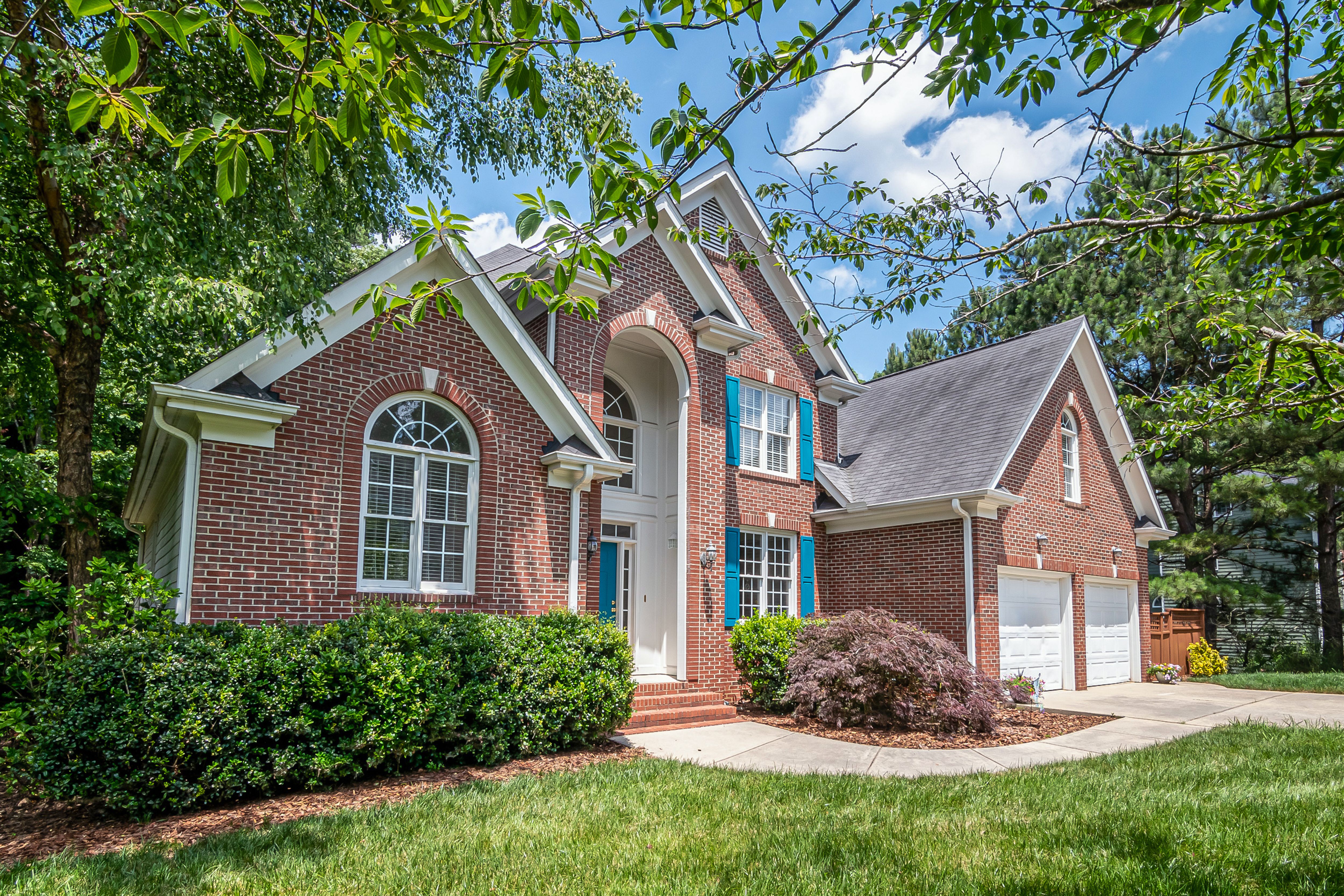
Effective residential property management is the cornerstone of maintaining asset value, ensuring tenant satisfaction, and generating consistent cash flow. Whether overseeing a single-family home or a multi-unit complex, managers must blend operational efficiency with strategic foresight. The following guide outlines the critical components that distinguish successful property management from a reactive, ad-hoc approach, providing actionable insights for seasoned professionals and newcomers alike.
1. Comprehensive Tenant Management
Screening and Selection
- Conduct thorough background checks, including credit, rental history, and employment verification.
- Utilize standardized application forms to ensure consistency and compliance with fair-housing laws.
- Apply clear selection criteria to reduce turnover and mitigate risk.
Lease Administration
- Draft leases that clearly define rent, responsibilities, and termination clauses.
- Incorporate provisions for rent escalations, maintenance requests, and pet policies.
- Maintain a digital repository for easy access and audit trails.
For a deeper dive into tenant screening best practices, Discover expert strategies here.
2. Proactive Maintenance and Repairs
- Implement a preventative maintenance schedule covering HVAC, plumbing, electrical, and exterior elements.
- Leverage property management software to track work orders, vendor performance, and cost trends.
- Establish service level agreements (SLAs) with trusted contractors to guarantee timely responses.
Understanding how to balance cost control with property upkeep can be challenging; Learn about our tailored solutions that streamline these processes.
3. Financial Management and Reporting
- Collect rent electronically to reduce delinquencies and simplify reconciliation.
- Prepare monthly financial statements that include income, expenses, and cash-flow projections.
- Conduct annual budget reviews to align operating costs with market trends.
For advanced financial modeling techniques, Explore advanced guides and tips that enhance profitability.
4. Legal Compliance and Risk Mitigation
- Stay updated on local, state, and federal housing regulations, including habitability standards and eviction procedures.
- Maintain appropriate insurance coverage, property, liability, and loss-of-rent policies.
- Document all communications and actions to protect against disputes.
Need a concise overview of compliance requirements? Find out more about this approach and keep your portfolio protected.
5. Effective Communication and Customer Service
- Offer multiple channels for tenant inquiries, phone, email, and a tenant portal.
- Respond to maintenance requests within a predefined timeframe (e.g., 24-48 hours for non-emergencies).
- Conduct periodic satisfaction surveys to identify improvement areas.
6. Technology Integration
- Adopt cloud-based property management platforms that unify leasing, accounting, and maintenance modules.
- Utilize smart home devices (e.g., thermostats, leak detectors) to reduce utility costs and prevent damage.
- Implement data analytics to forecast vacancy rates and optimize rent pricing.
Exploring the latest tech tools? Discover expert strategies here for a seamless digital transition.
7. Strategic Marketing and Leasing
- Develop high-quality visual content, photos, virtual tours, and floor plans, to attract qualified prospects.
- Leverage multiple listing platforms and social media to broaden reach.
- Offer move-in incentives strategically, based on market demand and lease terms.
Conclusion
Successful residential property management hinges on a balanced blend of tenant relations, diligent maintenance, sound financial practices, legal awareness, and technology adoption. By integrating these key aspects, managers can protect asset value, enhance tenant experiences, and achieve sustainable profitability. Continuous learning and adaptation remain essential; leveraging reputable resources such as Explore advanced guides and tips ensures that management practices evolve alongside industry standards.
About the Author