As the seasons change, homeowners in Missouri are faced with the daunting task of managing their energy consumption. With the rising cost of living and increasing energy demands, it’s essential to find ways to reduce energy bills without sacrificing comfort or convenience. One of the most effective ways to achieve this is by investing in proper insulation installation. By understanding the importance of insulation and how to install it correctly, homeowners can significantly lower their energy bills and create a more sustainable living environment.
Why Insulation Installation is Crucial in Missouri
Missouri’s climate is characterized by hot summers and cold winters, making it an ideal location for energy-efficient insulation solutions. Without proper insulation, heat can escape during the winter months, causing energy bills to skyrocket. Conversely, during the summer, heat can seep into homes, making air conditioning units work harder and consume more energy. By installing insulation correctly, homeowners can prevent heat transfer and maintain a consistent indoor temperature, reducing the need for frequent temperature adjustments.
Benefits of Proper Insulation Installation
- Reduced energy consumption and lower energy bills
- Improved indoor air quality and reduced moisture buildup
- Increased durability and lifespan of HVAC systems
- Enhanced comfort and reduced noise pollution
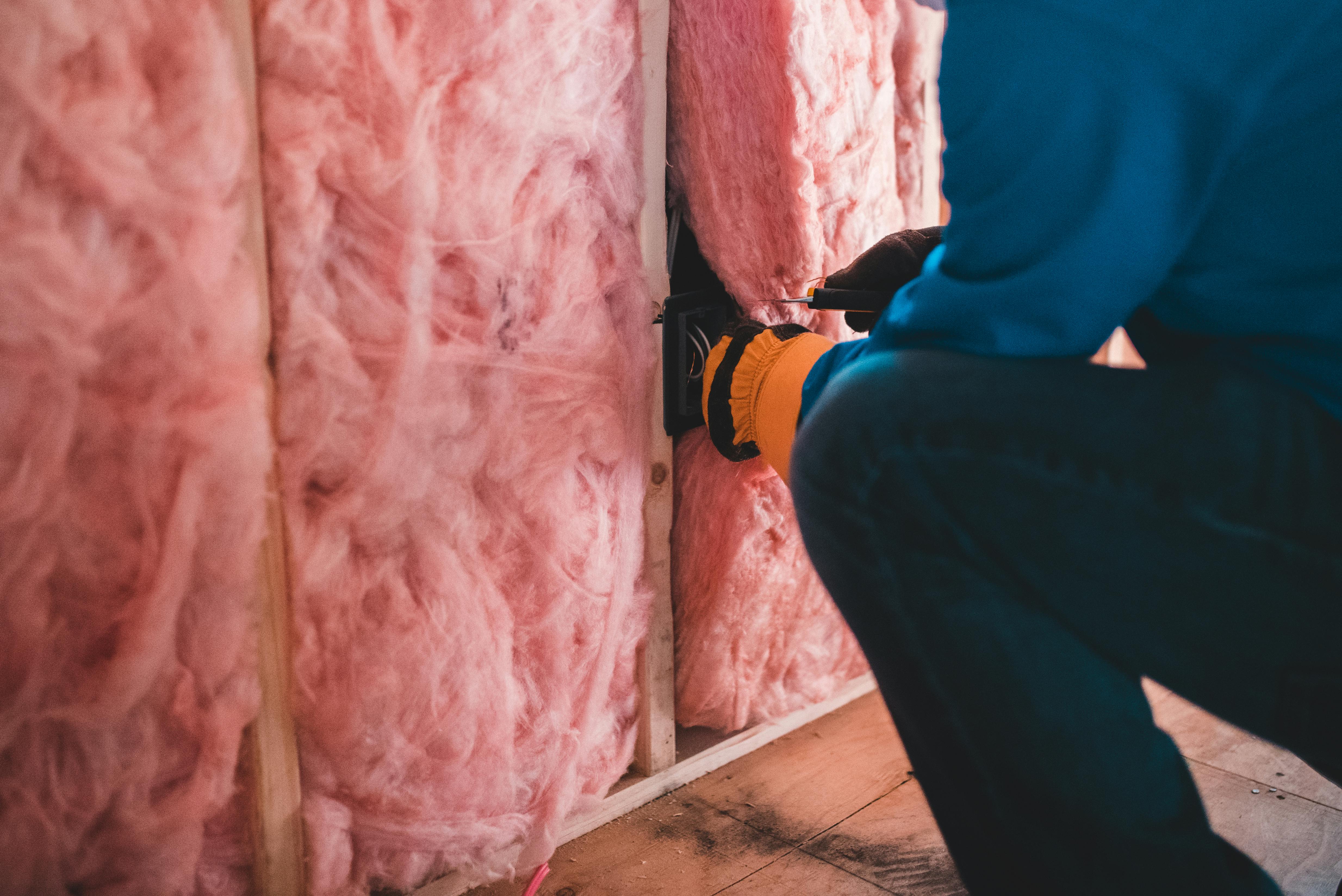
When it comes to insulation installation, Missouri homeowners have several options to choose from. From fiberglass batts to spray foam insulation, each type of insulation has its unique benefits and drawbacks. However, it’s essential to note that not all insulation materials are created equal, and some may be more suitable for certain types of buildings or climates. To ensure the best results, it’s crucial to consult with a professional who can assess the home’s specific needs and recommend the most effective insulation solution.
Discover Expert Strategies for Insulation Installation
At Discover expert strategies here, homeowners can find out more about the latest insulation technologies and techniques. From advanced guides and tips to tailored solutions, this resource provides everything homeowners need to make informed decisions about their insulation needs. By exploring the various options and strategies available, homeowners can create a comprehensive plan to reduce their energy consumption and lower their energy bills.
Common Mistakes to Avoid in Insulation Installation
While insulation installation can be a straightforward process, there are several common mistakes that homeowners should avoid. These include:
- Inadequate insulation coverage or gaps in insulation
- Incorrect insulation material selection for the building type or climate
- Insufficient ventilation or air circulation
- Lack of maintenance or regular inspections
By being aware of these potential pitfalls and taking steps to prevent them, homeowners can ensure a successful insulation installation and reap the benefits of reduced energy consumption and lower energy bills.
Find Out More About Advanced Insulation Solutions
For homeowners who want to stay ahead of the curve and explore the latest insulation technologies, there are several resources available. By visiting Explore advanced guides and tips, homeowners can discover the latest innovations and techniques in insulation installation. From spray foam insulation to radiant barrier installation, this resource provides everything homeowners need to make informed decisions about their insulation needs.
Conclusion
In conclusion, insulation installation is a crucial step in reducing energy consumption and lowering energy bills in Missouri. By understanding the importance of insulation and how to install it correctly, homeowners can create a more sustainable living environment and reduce their carbon footprint. By consulting with a professional, exploring advanced guides and tips, and avoiding common mistakes, homeowners can ensure a successful insulation installation and reap the benefits of reduced energy consumption and lower energy bills.
About the Author