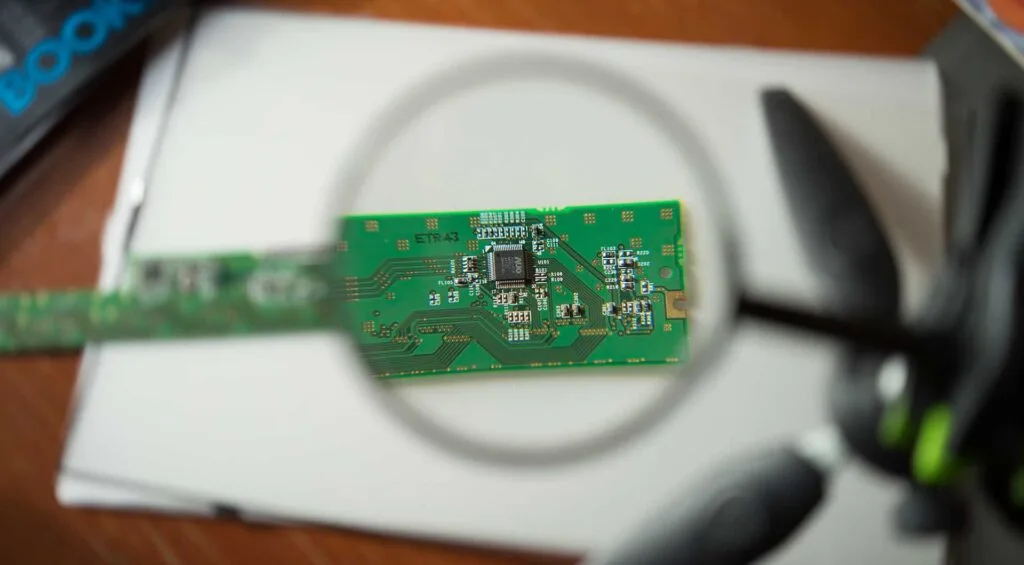
The landscape of technology is ever-evolving, with electronic hardware design playing a pivotal role in shaping the future. This intricate field combines creativity, precision, and technological prowess to develop innovative solutions that power everything from consumer electronics to industrial machinery. Understanding the nuances of hardware design is crucial for anyone looking to make a significant impact in this domain. This article delves into the fundamentals and advancements in electronic hardware design, offering insights into its various facets and applications.
The Fundamentals of Electronic Hardware Design
Electronic hardware design is a comprehensive process that involves the creation of physical components for electronic devices. It encompasses a wide range of activities, from conceptualizing and designing circuits to testing and iterating on prototypes. This process requires a deep understanding of electrical engineering principles as well as practical experience in using design tools.
Key Components of Hardware Design
- Conceptualization: Identifying the need and purpose of the device.
- Circuit Design: Creating schematics that define the electronic circuits.
- Prototyping: Developing initial models to test functionality. More about hardware prototyping.
- Testing and Iteration: Refining the design through multiple iterations.
- Production: Scaling the design for mass manufacturing.
Advancements in Hardware Design
The field of electronic hardware design is witnessing rapid advancements, driven by the need for more efficient, powerful, and compact devices. Innovations in this area are often fueled by the integration of emerging technologies such as artificial intelligence and the Internet of Things (IoT). For instance, IoT hardware design focuses on creating devices that can communicate seamlessly over networks, enabling smarter and more connected solutions.
Trends Shaping the Future
- Miniaturization: Reducing the size of components while maintaining functionality.
- Energy Efficiency: Designing hardware that consumes less power.
- AI Integration: Enhancing device capabilities through artificial intelligence.
- Custom Solutions: Tailoring designs for specific applications, such as robot hardware design.
The Role of an Electronics Hardware Engineer
Electronics hardware engineers are responsible for the complete lifecycle of hardware development. These professionals are adept at tackling complex engineering challenges and ensuring the reliability and efficiency of electronic systems. As technology continues to advance, the demand for skilled electronics hardware engineers remains strong across various industries.
Skills and Expertise
- Proficiency in CAD software for designing schematics and layouts.
- Understanding of microcontrollers and embedded systems.
- Knowledge of industry standards and regulatory requirements.
- Problem-solving skills to troubleshoot and refine designs.
Conclusion
Exploring the world of electronic hardware design reveals a dynamic and challenging field that is essential to technological progress. As the demand for smarter and more efficient devices grows, the importance of skilled hardware designers and engineers cannot be overstated. By embracing the latest trends and honing their expertise, professionals in this domain can continue to drive innovation and contribute to the advancement of technology.
About the Author