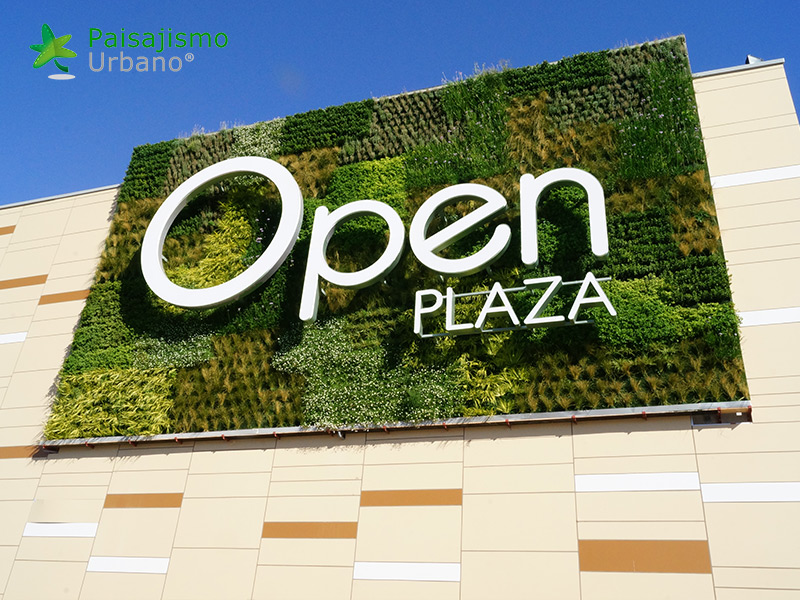
In the realm of modern architecture and urban planning, green fa??ade systems are revolutionizing how we perceive and interact with our built environment. These systems not only enhance the aesthetic appeal of buildings but also contribute significantly to environmental sustainability. By integrating plants into building exteriors, green fa??ades offer a unique blend of nature and technology, creating vibrant living landscapes that transform urban spaces. Their popularity is soaring as they provide a practical solution to urban challenges such as pollution, heat, and noise, while also offering visual and psychological benefits to city dwellers.
The Benefits of Green Facade Systems
Green facades are more than just a decorative feature; they offer a multitude of benefits that enhance both the environment and the quality of life. Here are some key advantages:
- Energy Efficiency: Green facades act as natural insulators, reducing the amount of heat absorbed by building surfaces and lowering energy costs for cooling.
- Air Quality Improvement: Plants absorb carbon dioxide and release oxygen, effectively filtering pollutants and improving air quality.
- Noise Reduction: The plant layers absorb sound, providing a natural barrier against urban noise pollution.
- Increased Biodiversity: These systems create habitats for various species of birds and insects, enhancing urban biodiversity.
- Psychological Well-being: Access to green spaces has been shown to reduce stress and improve overall mental health.
Design Considerations and Challenges
While the advantages of green fa??ades are numerous, successful implementation requires careful planning and design.
Structural Integration
One of the primary considerations is the structural integration of the green fa??ade system. Buildings must be assessed for their ability to support the additional weight of plants and soil. Proper drainage and irrigation systems must be implemented to ensure plant health and longevity.
Plant Selection
Choosing the right plants is crucial. Factors such as climate, orientation, and desired maintenance level should guide the selection process. Native species are often preferred for their adaptability and minimal maintenance requirements. Discover expert strategies here.
Maintenance Requirements
Green facades require regular maintenance, including pruning, feeding, and monitoring for pests. Automated systems can be integrated for irrigation and nutrient delivery, reducing the need for manual intervention. Learn about our tailored solutions.
Applications in Urban Environments
Green facades are versatile and can be applied in various settings, from residential buildings to commercial complexes. They are particularly beneficial in urban environments where space is limited and the need for green spaces is critical.
- Commercial Buildings: Enhance the aesthetic appeal and brand image while contributing to sustainability goals.
- Residential Complexes: Improve residents’ quality of life by providing a natural escape within urban settings.
- Public Spaces: Transform underutilized areas into vibrant community hubs, promoting social interaction and environmental education.
For more detailed insights on integrating green fa??ades into urban projects, explore advanced guides and tips.
The Future of Green Facade Systems
As the demand for sustainable building solutions grows, green fa??ade systems are poised to play a pivotal role in shaping the cities of the future. Advances in technology are continually improving the efficiency and ease of implementation of these systems, making them more accessible to a wider range of projects. Find out more about this approach.
In conclusion, green fa??ade systems represent a forward-thinking approach to urban design, offering a multitude of benefits that align with global sustainability goals. As cities continue to expand, the integration of these systems will be crucial in creating healthier, more resilient urban environments.
About the Author