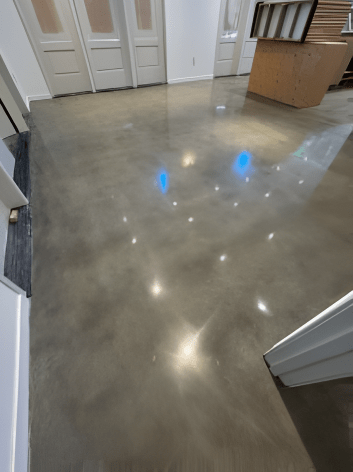
Elegant stained concrete floors have become a hallmark of modern interior design, offering a seamless blend of durability, low maintenance, and sophisticated aesthetics. By infusing color and pattern directly into the concrete slab, homeowners can achieve a flooring solution that mimics natural stone, terrazzo, or even high-gloss marble without the associated cost and upkeep. This article explores the benefits, design considerations, and practical steps involved in enhancing a home with stained concrete, helping readers make informed decisions that elevate both style and function.
Why Choose Stained Concrete for Your Home?
Stained concrete stands out for several compelling reasons that go beyond mere appearance. The following points highlight its unique advantages:
- Longevity: Properly sealed concrete can last for decades, resisting wear, scratches, and moisture.
- Design Flexibility: A wide palette of pigments and application techniques enables custom patterns, from subtle earth tones to bold, artistic designs.
- Cost-Effectiveness: Compared with natural stone or hardwood, stained concrete requires less material and labor, delivering high-impact results at a lower price point.
- Low Maintenance: Routine cleaning with a neutral pH cleaner keeps the surface looking fresh; periodic resealing restores shine.
- Environmental Impact: Using the existing slab reduces waste and the need for additional resources, supporting sustainable building practices.
Understanding the Staining Process
To achieve a flawless finish, the process of concrete staining involves several key steps that must be performed in the correct order. Understanding these steps helps homeowners appreciate the craftsmanship involved and set realistic expectations for project timelines.
Preparation
- Surface cleaning: Remove all dust, oils, and sealers that could inhibit pigment absorption.
- Repair: Fill cracks and pits with a compatible concrete patching compound.
- Etching (optional): For highly polished surfaces, a mild acid etch can improve pigment penetration.
Application of Stain
- Acid-based stains react chemically with the concrete, creating variegated, translucent colors.
- Water-based stains sit on the surface, offering more uniform hues and easier cleanup.
- Multiple coats can be layered to deepen color intensity or create gradient effects.
Sealing and Finishing
After the stain has cured, a high-quality sealer is applied to protect the color and enhance durability. The choice of sealer, matte, satin, or high-gloss, affects the final look and feel of the floor.
Design Ideas for Every Room
Stained concrete adapts to a variety of interior styles, from industrial lofts to cozy family homes. Below are curated ideas that demonstrate how stained concrete floors can become the centerpiece of each space.
Living Areas
- Neutral earth tones: Soft taupes and grays create a warm backdrop for contemporary furniture.
- Subtle veining: Mimic marble veining with thin, darker lines for an upscale look without the cost.
- Geometric patterns: Use stencils to introduce chevron or herringbone motifs that add visual interest.
Kitchen and Dining
- High-gloss finish: A polished, glossy seal enhances light reflection, making the space feel larger.
- Color-coded zones: Different stain shades can delineate cooking, prep, and dining areas without additional flooring.
- Heat resistance: Stained concrete tolerates hot pans and spills, reducing the risk of damage.
Bathrooms and Wet Areas
- Water-resistant sealers: Choose a sealer rated for high moisture environments to prevent staining.
- Soft blues and greens: Cool tones create a spa-like ambiance.
- Slip-resistant treatments: Add a fine-grit additive to the sealer for safety without sacrificing style.
Choosing the Right Professional Services
While DIY kits exist, achieving a consistently beautiful result often requires the expertise of seasoned technicians who specialize in concrete staining services. When evaluating potential partners, consider the following criteria:
- Portfolio of completed decorative concrete staining projects.
- Experience with both acid-based and water-based stain systems.
- Transparent warranty terms for sealers and workmanship.
- Ability to provide samples or mock-ups before full-scale application.
Maintenance Tips to Preserve Beauty
Proper care extends the life and appearance of stained concrete. Follow these guidelines to keep the floor looking its best:
- Sweep or vacuum regularly to remove abrasive grit.
- Use a pH-neutral floor cleaner; avoid acidic or abrasive detergents.
- Re-seal every 2-3 years in high-traffic zones, or as recommended by the sealer manufacturer.
- Place felt pads under furniture legs to prevent scratches.
- Address spills promptly, especially oil-based substances that can penetrate sealers.
Conclusion
Integrating concrete floor staining into a home renovation offers an elegant, resilient, and customizable flooring solution that aligns with modern design trends. By understanding the process, selecting appropriate colors and finishes, and partnering with skilled professionals, homeowners can transform ordinary slabs into striking, long-lasting works of art that enhance both aesthetic appeal and property value.
About the Author