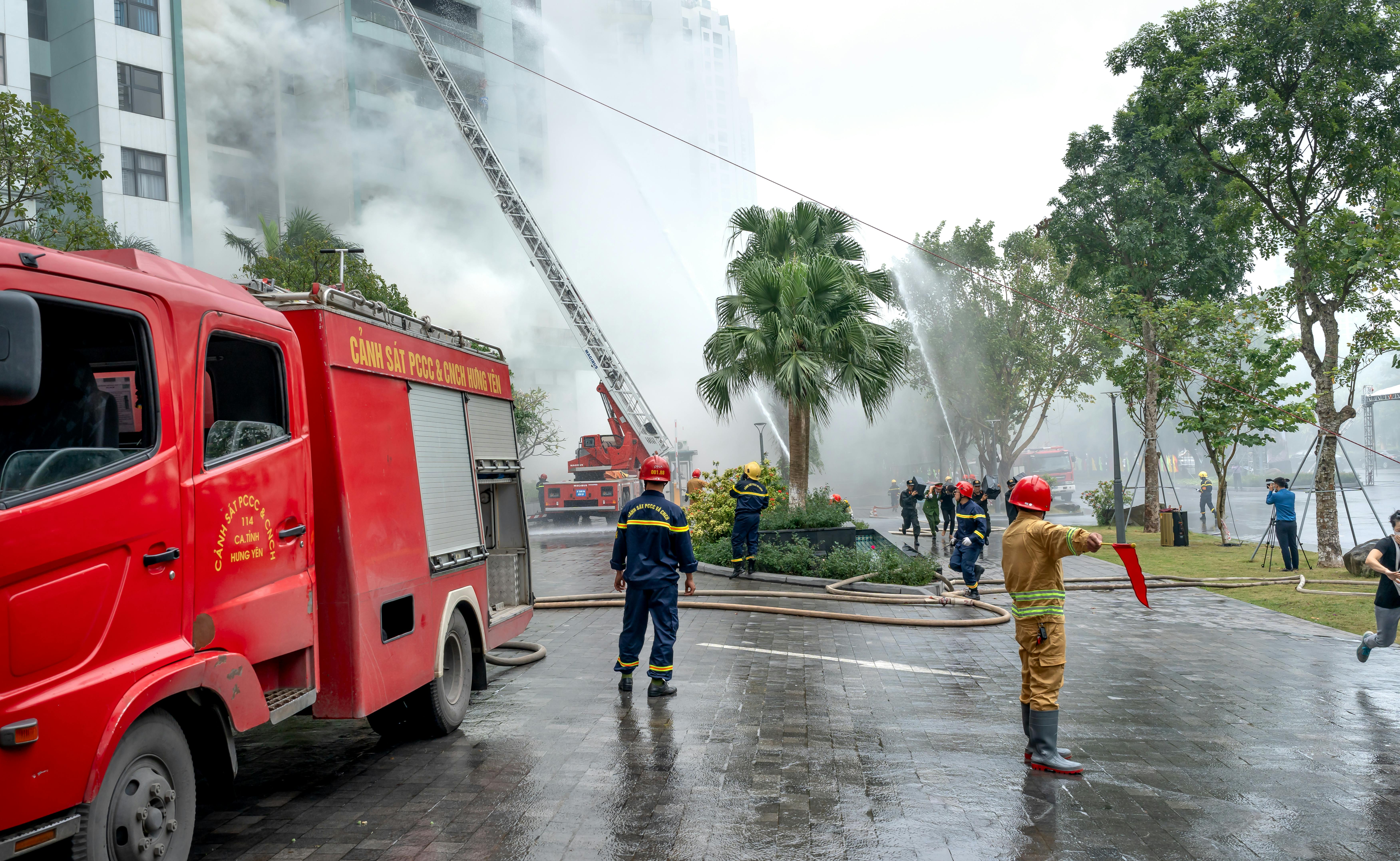
In today’s complex built environment, the safety of occupants is no longer a peripheral concern, it is a core component of facility management, design, and operation. From office towers and manufacturing plants to schools and healthcare centers, every structure must address fire hazards, emergency egress, and life-safety system performance in a systematic way. Life safety consulting bridges the gap between regulatory compliance and practical protection, offering expertise that translates codes into actionable plans, risk-based assessments, and ongoing maintenance strategies. By aligning technical knowledge with real-world facility operations, life safety consultants help owners and managers create environments where people can work, learn, and heal with confidence.
Why Life Safety Consulting Matters
Regulatory frameworks such as the National Fire Code, NFPA standards, and local building bylaws provide the baseline for safety, but they often lack the nuance needed for each unique facility. A professional consulting approach adds value by:
- Identifying hidden hazards that standard inspections may miss.
- Translating code requirements into practical, cost-effective solutions.
- Ensuring that fire protection systems (sprinklers, alarms, smoke control) are properly designed, installed, and maintained.
- Facilitating coordination among architects, engineers, and facility staff.
- Providing documentation and training that support emergency preparedness.
For a deeper look at strategic safety planning, Discover expert strategies here.
Core Services Offered by Life Safety Consultants
Risk Assessment and Gap Analysis
A thorough risk assessment evaluates the probability and impact of fire, smoke, and other emergencies specific to the facility’s layout, occupancy type, and operational processes. Gap analysis then compares existing measures against current codes and best practices, highlighting areas that require immediate attention.
Design Review and System Integration
Consultants review architectural and engineering drawings to ensure that fire protection systems are correctly integrated. This includes:
- Fire alarm and detection layout.
- Sprinkler head placement and hydraulic calculations.
- Smoke control and pressurization strategies.
- Egress path sizing and signage compliance.
Detailed design reviews help avoid costly rework during construction. Learn about our tailored solutions.
Commissioning, Testing, and Maintenance Planning
Proper commissioning verifies that each system performs as intended before occupancy. Ongoing testing and preventive maintenance schedules keep systems functional over the building’s lifecycle. Consultants develop maintenance manuals, inspection checklists, and training programs that align with both manufacturer recommendations and regulatory requirements.
Emergency Preparedness and Training
Effective response hinges on well-drilled personnel and clear procedures. Life safety experts craft emergency action plans, conduct fire drills, and deliver training sessions for staff at all levels. These programs emphasize:
- Rapid evacuation techniques.
- Use of fire extinguishers and other emergency equipment.
- Coordination with local fire services.
For practical guidance on emergency planning, Explore advanced guides and tips.
Key Benefits for Facility Owners and Managers
Investing in life safety consulting yields measurable returns beyond compliance:
- Reduced liability: Demonstrated due diligence can mitigate legal exposure after an incident.
- Insurance premium savings: Many insurers offer discounts for documented safety programs.
- Operational continuity: Well-maintained systems minimize downtime during emergencies.
- Enhanced occupant confidence: Visible safety measures improve morale and public perception.
Understanding how these advantages translate into financial and reputational gains can be explored further at Find out more about this approach.
Implementing a Life Safety Program: Step-by-Step Overview
- Initial Consultation: Define project scope, objectives, and regulatory landscape.
- Site Survey & Data Collection: Gather floor plans, occupancy data, and existing system documentation.
- Risk & Gap Analysis: Produce a detailed report with prioritized recommendations.
- Design & Specification Review: Align new or upgraded systems with code and operational needs.
- Commissioning & Training: Verify system performance and educate staff.
- Ongoing Maintenance & Audits: Schedule regular inspections and update plans as occupancy or use changes.
Future Trends Shaping Life Safety Consulting
Technology and regulatory evolution are redefining how safety is managed. Emerging trends include:
- Smart Sensors & IoT Integration: Real-time monitoring of smoke, temperature, and system health.
- Data-Driven Risk Modeling: Predictive analytics to anticipate hazards before they materialize.
- Virtual Reality Training: Immersive fire drill simulations for more effective learning.
- Sustainability Alignment: Designing fire protection that supports green building certifications.
Staying ahead of these developments ensures that safety programs remain robust and cost-effective. For insights into cutting-edge practices, Explore advanced guides and tips.
Conclusion
Life safety consulting transforms abstract code requirements into concrete protections that safeguard people and assets across any facility type. By leveraging expert risk assessments, design reviews, commissioning, and ongoing training, owners and managers can achieve compliance, reduce liability, and foster a culture of safety. As technology advances and expectations rise, partnering with a knowledgeable consultant becomes an essential strategy for maintaining resilient, occupant-focused environments.
About the Author