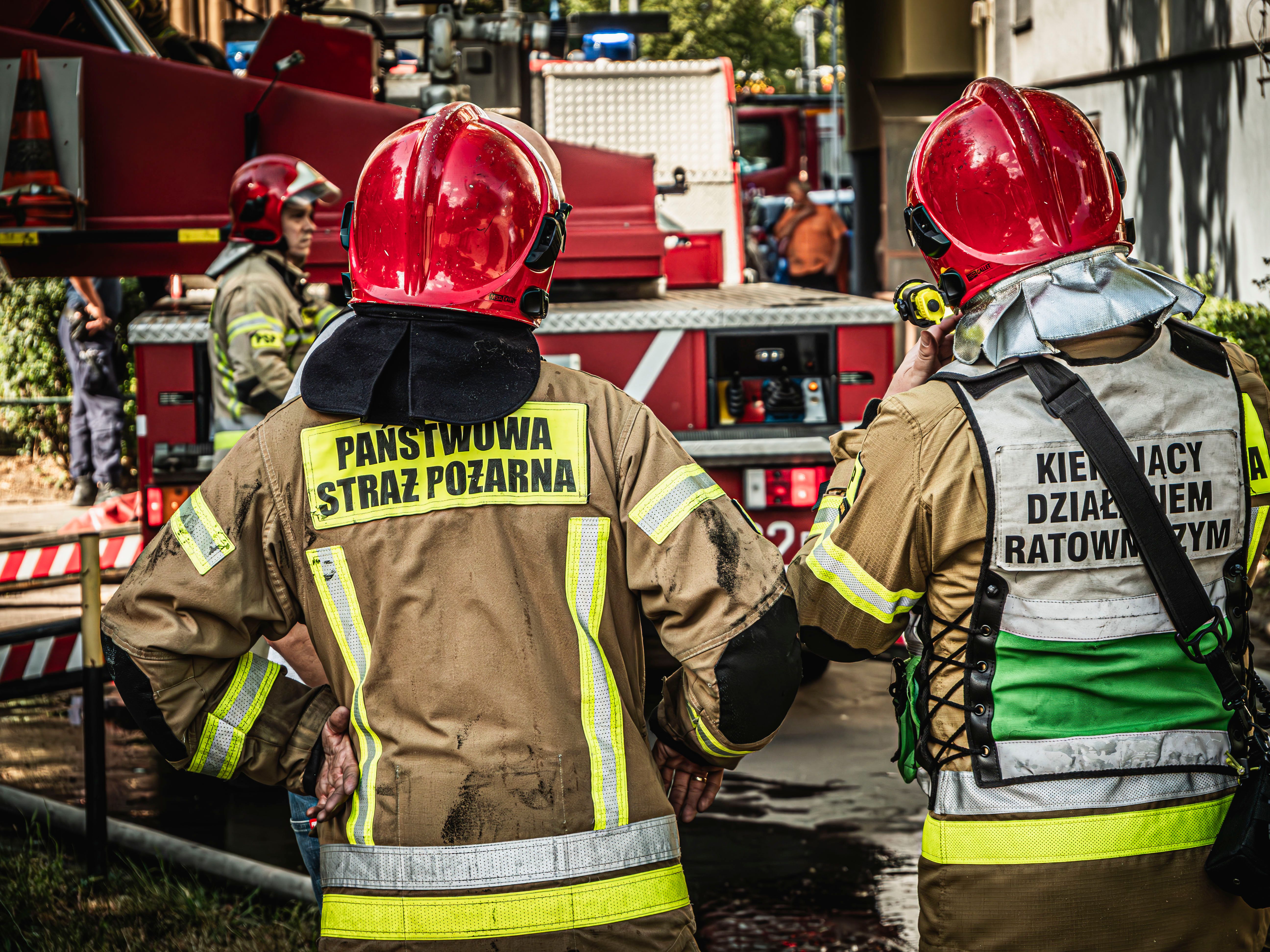
In today’s competitive business environment, workplace safety is no longer a regulatory checkbox, it is a strategic imperative that directly influences productivity, employee morale, and the bottom line. Organizations that proactively address hazards and embed safety into their culture experience fewer incidents, lower insurance premiums, and stronger reputations. Leveraging specialized safety consulting can transform a reactive approach into a data-driven, preventive system that safeguards assets while reducing costly downtime.
Why Workplace Safety Consulting Matters
Professional safety consultants bring a blend of regulatory expertise, industry-specific knowledge, and analytical tools that most internal teams lack. Their objective perspective helps identify hidden risks, streamline compliance processes, and implement best-practice solutions that align with both legal requirements and operational goals.
Key Benefits
- Risk Reduction: Systematic hazard identification and mitigation lower the probability of injuries and property damage.
- Cost Savings: Fewer accidents translate into reduced workers’ compensation claims, lower medical expenses, and decreased litigation risk.
- Regulatory Compliance: Up-to-date guidance ensures adherence to standards such as OSHA, CSA, and industry-specific regulations.
- Employee Engagement: A safe environment boosts morale, retention, and overall productivity.
Core Components of an Effective Safety Consulting Program
Consultants typically follow a structured methodology that can be customized to any organization’s size, sector, and risk profile.
1. Comprehensive Safety Audits
Audits evaluate existing safety policies, equipment, training records, and incident histories. The findings form the baseline for improvement plans. For a deeper dive into audit techniques, Discover expert strategies here.
2. Tailored Risk Assessments
Using tools such as Job Safety Analyses (JSAs) and Failure Mode Effects Analysis (FMEA), consultants prioritize hazards based on likelihood and impact. This targeted approach ensures resources are allocated where they matter most.
3. Development of Custom Safety Programs
Standardized checklists are adapted to reflect the unique workflows and equipment of the workplace. Programs often include:
- Emergency response protocols
- Personal protective equipment (PPE) selection guidelines
- Ergonomic assessments for office and field staff
- Behavior-based safety (BBS) initiatives
4. Training and Competency Building
Effective training blends classroom instruction, hands-on simulations, and digital modules. Ongoing competency tracking ensures that knowledge remains current. To explore training frameworks, Learn about our tailored solutions.
5. Performance Monitoring and Continuous Improvement
Key performance indicators (KPIs) such as Total Recordable Incident Rate (TRIR) and Near-Miss Reporting Frequency are tracked in real time. Data analytics reveal trends, enabling proactive adjustments before incidents occur.
Cost-Effective Strategies for Reducing Accidents
Investing in safety yields measurable financial returns. Below are proven tactics that consultants often recommend to maximize ROI.
- Implement a Near-Miss Reporting System: Capturing near-misses uncovers latent hazards without the cost of an actual injury.
- Standardize Equipment Maintenance: Regular inspections prevent equipment failure, a common source of workplace accidents.
- Leverage Technology: Wearable sensors, mobile inspection apps, and AI-driven risk modeling improve detection and response times.
- Engage Front-Line Workers: Involving employees in safety committees fosters ownership and uncovers practical solutions.
Integrating Safety Consulting into Organizational Culture
For lasting impact, safety must be woven into everyday business processes rather than treated as a one-off project.
Leadership Commitment
Visible support from senior management sets the tone. Leaders should allocate budget, participate in safety briefings, and recognize safe behaviors.
Communication Channels
Regular safety newsletters, toolbox talks, and digital dashboards keep information fresh and accessible. To see examples of effective communication tools, Explore advanced guides and tips.
Reward and Recognition Programs
Incentives for hazard reporting, zero-incident milestones, and innovative safety ideas reinforce positive behavior.
Measuring Success: Metrics That Matter
Quantifying the impact of safety initiatives helps justify continued investment.
| Metric | Why It Matters | Typical Target |
|---|---|---|
| Total Recordable Incident Rate (TRIR) | Overall injury frequency | Below industry average |
| Lost-Time Injury Frequency Rate (LTIFR) | Incidents causing work loss | Zero or near-zero |
| Near-Miss Reporting Rate | Proactive hazard identification | Increasing trend |
| Training Completion Rate | Workforce competency | 100% compliance |
Choosing the Right Safety Consulting Partner
Selecting a consultant who aligns with organizational values and industry demands is critical. Consider the following criteria:
- Proven track record in your sector
- Certifications such as CSP, CIH, or CPHST
- Ability to provide scalable solutions for multiple sites
- Transparent reporting and measurable deliverables
For a deeper understanding of what distinguishes a high-performing safety partner, Find out more about this approach.
Conclusion
Workplace safety consulting transforms risk management from a compliance exercise into a strategic advantage. By conducting thorough audits, customizing risk assessments, delivering targeted training, and continuously monitoring performance, organizations can dramatically lower accident rates and associated costs. The resulting safer environment not only protects employees but also enhances operational efficiency and financial health. Embracing expert guidance and integrating safety into the core culture ensures that every stakeholder, employees, management, and customers, benefits from a resilient, responsible workplace.
About the Author