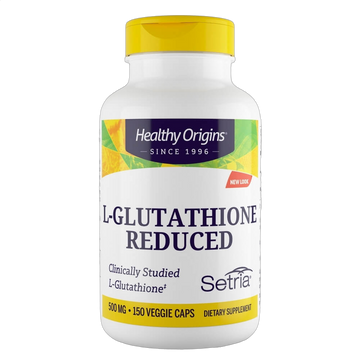
Glutathione is often called the “master antioxidant” because of its central role in protecting cells from oxidative stress, supporting detoxification pathways, and maintaining a healthy immune response. With a growing market of glutathione supplement options, selecting the product that aligns with personal health goals can feel overwhelming. This guide breaks down the key factors to consider, formulation, bioavailability, dosage, and quality assurance, so you can make an informed decision that fits your lifestyle and nutritional needs.
1. Understand the Different Forms of Glutathione
Glutathione is available in several delivery formats, each with distinct absorption characteristics:
- Reduced Glutathione (GSH): The active form that the body uses directly. Look for products that protect GSH from oxidation until it reaches the gut.
- Liposomal Glutathione: Encapsulated in phospholipid vesicles, this technology improves membrane permeability and can increase systemic availability.
- Acetyl-L-Glutathione: A chemically modified version designed to resist breakdown in the digestive tract.
- Precursors (e.g., N-acetyl-cysteine, alpha-lipoic acid): These boost the body’s own production of glutathione rather than supplying it directly.
For those seeking the best glutathione supplement in terms of absorption, liposomal or acetylated forms are typically recommended.
2. Evaluate Bioavailability Claims
Why Bioavailability Matters
Even the highest-quality glutathione will have limited impact if it cannot cross the intestinal barrier. Manufacturers often provide data on:
- Clinical studies showing plasma GSH level increases.
- In-vitro dissolution tests that simulate gastrointestinal conditions.
- Third-party verification of liposomal encapsulation efficiency.
Practical Tips
- Prefer supplements that list a specific “% bioavailability” or reference peer-reviewed research.
- Check for added ingredients such as vitamin”?C or vitamin”?E, which can protect glutathione from oxidation during digestion.
- Avoid products that rely solely on “high potency” without supporting absorption data.
3. Determine the Right Dosage for Your Goals
Dosage recommendations vary widely, typically ranging from 100″?mg to 1,000″?mg per day. Consider the following scenarios:
- General antioxidant support: 200-300″?mg daily is often sufficient.
- Detoxification or heavy-metal exposure: 500-750″?mg split into two doses may be more effective.
- Clinical conditions (e.g., chronic fatigue, skin health): Doses up to 1,000″?mg have been used under professional supervision.
When in doubt, start with a lower dose and monitor how your body responds before increasing the amount.
4. Look for Quality Assurance and Transparency
Choosing a reputable brand is essential for safety and efficacy. Key quality markers include:
- GMP certification: Guarantees manufacturing follows strict Good Manufacturing Practice standards.
- Third-party testing: Independent labs verify potency, purity, and the absence of contaminants.
- Full ingredient disclosure: All excipients, fillers, and allergens should be clearly listed.
Products marketed as the best glutathione supplement uk often feature these certifications on their packaging and website.
5. Consider Lifestyle and Convenience
How you plan to incorporate the supplement into your routine can influence the best format for you:
- Capsules or tablets: Easy to transport, suitable for those who travel frequently.
- Powders: Can be mixed into smoothies or shakes, ideal for individuals who dislike swallowing pills.
- Liquid liposomal drops: Offer rapid absorption and can be taken sublingually.
Choose the delivery method that aligns with your daily habits to improve consistency.
6. Review Pricing and Value
While cost should not be the sole deciding factor, it is worth comparing price per milligram of active glutathione. High-quality liposomal products may carry a premium, but the increased bioavailability often justifies the expense. Look for bulk-purchase options or subscription programs that reduce the per-dose cost without compromising quality.
7. Frequently Asked Questions
Is oral glutathione effective?
Yes, when formulated for enhanced stability and absorption, such as liposomal or acetylated versions, oral glutathione can raise systemic levels and deliver measurable antioxidant benefits.
Can I take glutathione with other supplements?
Glutathione pairs well with vitamin”?C, vitamin”?E, and selenium, which help recycle and protect it. However, high doses of certain minerals (e.g., zinc) may compete for absorption, so spacing them out is advisable.
Are there any side effects?
Glutathione is generally well tolerated. Mild gastrointestinal discomfort may occur with very high doses, but this can often be mitigated by splitting the dose throughout the day.
Conclusion
Selecting the right glutathione supplement involves balancing form, bioavailability, dosage, and quality assurance. By focusing on scientifically supported delivery methods, such as liposomal or acetylated glutathione, checking for third-party testing, and aligning the dosage with personal health objectives, you can choose a product that truly supports antioxidant defense, detoxification, and overall vitality. For those based in the United Kingdom, exploring the best glutathione supplement uk options from reputable retailers ensures both compliance with local regulations and access to high-quality formulations.
About the Author