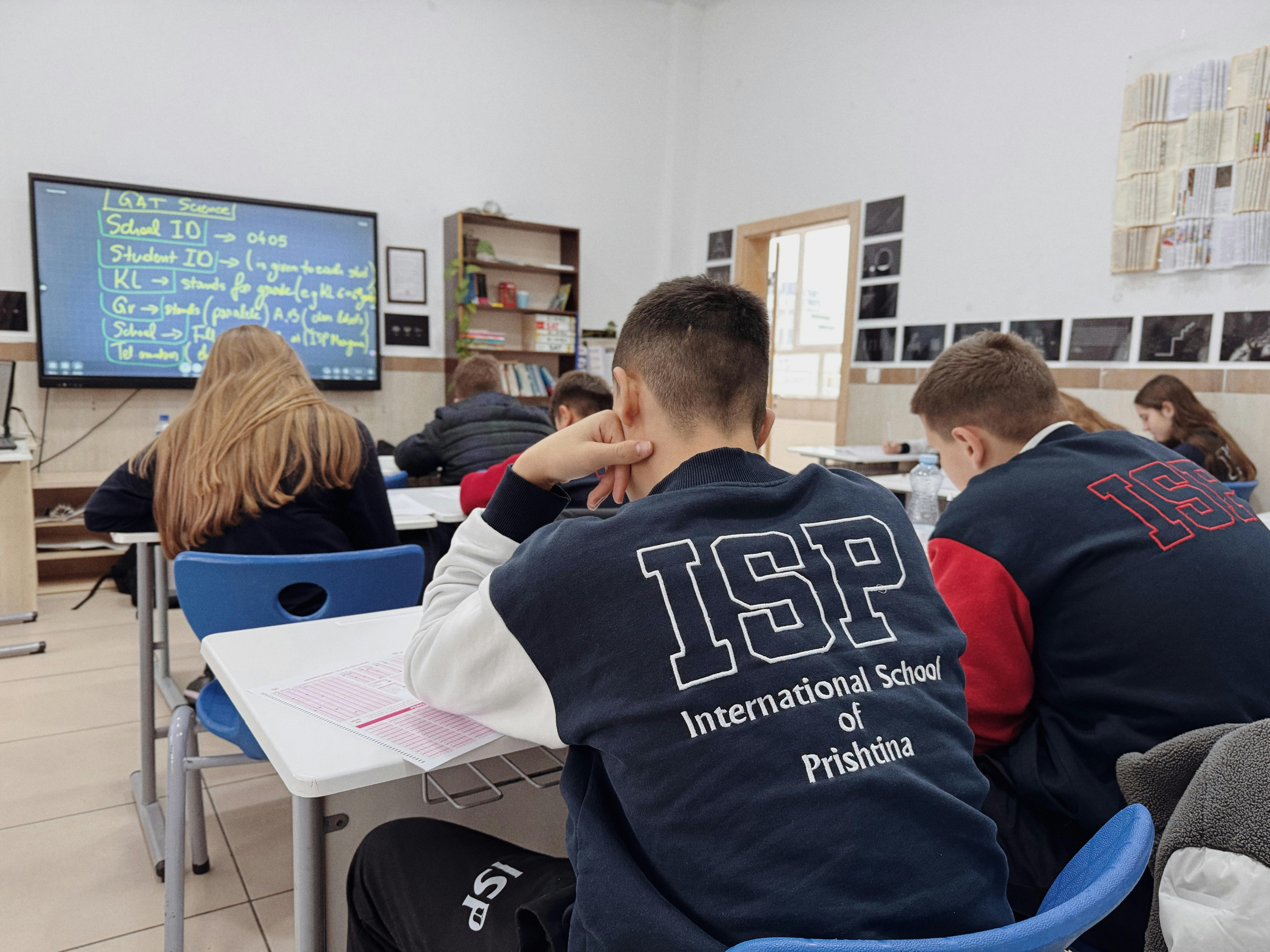
In the rapidly evolving landscape of education, effective school messaging is increasingly vital. The importance of clear, concise, and consistent communication cannot be overstated. It ensures that all stakeholders”?students, parents, teachers, and the community”?are well-informed and engaged. A strategic messaging approach can significantly enhance a school”?s reputation, promote student success, and foster a collaborative environment. This article delves into the essential strategies for crafting school messages that resonate, providing insights and practical tips for educational institutions aiming to improve their communication practices.
Understanding Your Audience
The cornerstone of effective messaging is understanding your audience. Knowing the unique needs, preferences, and expectations of different stakeholders in the educational ecosystem is crucial. Consider these steps to define and understand your audience better:
- Conduct surveys and feedback sessions to gather insights.
- Segment your audience into categories such as students, parents, teachers, and community members.
- Analyze communication preferences and tailor messages accordingly.
To explore further insights into audience analysis, read more about this topic.
Crafting Clear and Concise Messages
Clarity and conciseness are key attributes of effective communication. When crafting messages for school stakeholders, ensure that they are straightforward and free of jargon. Here are some tips to achieve this:
- Use simple language and avoid technical terms unless necessary.
- Keep messages short and to the point to maintain engagement.
- Use bullet points and headings to break up information and enhance readability.
For a detailed guide on crafting effective messages, learn more in this detailed guide.
Choosing the Right Communication Channels
Selecting appropriate communication channels is essential for reaching your audience effectively. Different stakeholders may prefer different platforms, so a multi-channel approach is often necessary. Consider the following options:
- Email newsletters for comprehensive updates.
- Social media platforms for real-time engagement and updates.
- School websites and mobile apps for detailed information and resources.
To find additional information on choosing communication channels, explore further insights here.
Maintaining Consistency in Messaging
Consistency in messaging helps build trust and reliability. It is vital to ensure that all communications align with the school”?s values and strategic goals. Here”?s how to maintain consistency:
- Develop a style guide that outlines tone, language, and branding.
- Ensure all staff are trained in the school”?s communication policies.
- Regularly review and update communication strategies.
If you wish to explore more on consistent messaging strategies, find additional information here.
Engaging and Involving Stakeholders
Engagement is a two-way street. Encouraging feedback and active participation from all stakeholders can enhance the effectiveness of school messaging. Here are some approaches to engage your audience:
- Hold regular meetings and forums to discuss concerns and updates.
- Utilize surveys to gather opinions and suggestions from stakeholders.
- Create interactive content such as polls and quizzes on social media.
To learn more about engaging stakeholders, explore further insights here.
In conclusion, effective school messaging is a dynamic process that requires a strategic approach. By understanding your audience, crafting clear messages, choosing the right channels, maintaining consistency, and engaging stakeholders, educational institutions can significantly enhance their communication efforts. These strategies not only improve information dissemination but also foster a sense of community and collaboration. For those seeking to delve deeper into these topics, various resources are available to guide schools in refining their messaging strategies.
About the Author