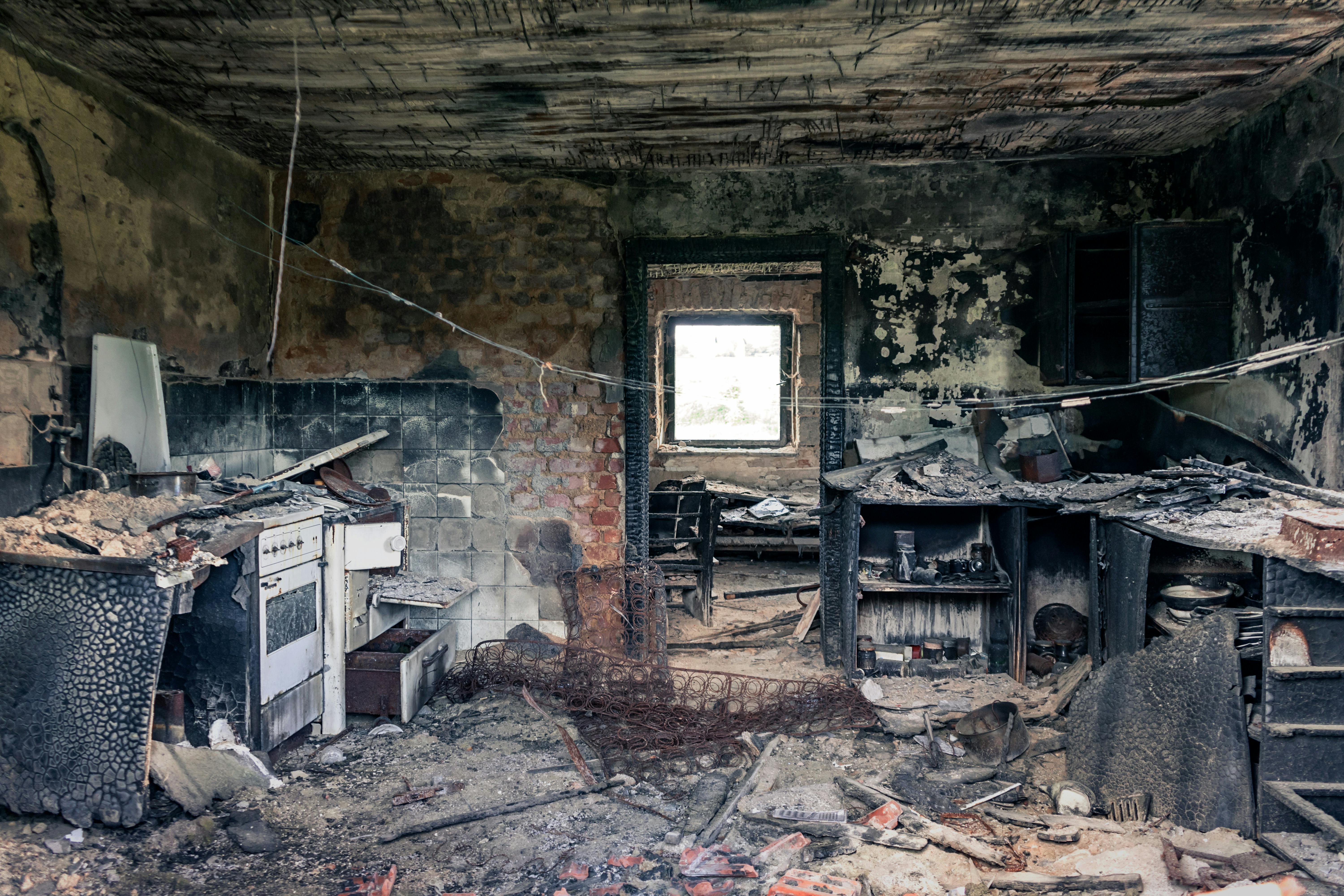
In the picturesque city of Boulder, nestled at the foot of the Rocky Mountains, the risk of wildfires remains a persistent concern. This makes effective fire mitigation services not just a precaution, but a necessity. Fire mitigation is a comprehensive approach to reducing the risk of fire damage and ensuring the safety of communities. Through strategic planning, proactive measures, and the latest technological advancements, fire mitigation services aim to minimize potential fire hazards in both urban and rural settings.
Understanding Fire Mitigation
Fire mitigation involves a series of strategies and actions designed to prevent or reduce the impact of wildfires. These services focus on creating defensible spaces, managing vegetation, and implementing fire-resistant building practices. Here are some key components of fire mitigation:
- Defensible Space Creation: This involves clearing vegetation and other combustible materials from around buildings to create a buffer zone that reduces the risk of fire reaching structures.
- Vegetation Management: Regular thinning and removal of brush, trees, and other vegetation help reduce the fuel available to a fire, slowing its spread.
- Use of Fire-Resistant Materials: Incorporating non-combustible materials in building construction and retrofitting existing structures can significantly reduce fire risk.
- Emergency Access: Ensuring clear and accessible routes for emergency personnel can be crucial during a wildfire event.
The Importance of Professional Services
While some fire mitigation techniques can be undertaken by property owners, professional services offer a higher level of expertise and efficiency. Specialists in fire mitigation utilize advanced tools and have extensive knowledge of local fire regulations and environmental conditions. This expertise is vital in high-risk areas such as Boulder, where the landscape and weather patterns can dramatically influence fire behavior.
Innovative Technologies in Fire Mitigation
Recent advancements in technology have enhanced the effectiveness of fire mitigation efforts. These innovations include:
- Remote Sensing and GIS Mapping: Utilizing satellite imagery and geographic information systems (GIS) to assess fire risks and plan mitigation strategies.
- Fire-Resistant Landscaping: Designing landscapes with fire-resistant plants and materials that can slow or stop the spread of fire.
- Automated Sprinkler Systems: Installing systems that can be activated remotely to douse areas with water and create moisture barriers.
Community Engagement and Education
Community involvement is essential to successful fire mitigation. Educational programs and workshops can empower residents with the knowledge to protect their properties. Collaborating with local agencies and fire departments can also enhance preparedness and response capabilities. For those interested in more comprehensive services, exploring options for fire mitigation abatement cleanup in Boulder can provide tailored solutions to fit specific needs.
Conclusion
Fire mitigation services are a critical component in protecting Boulder”?s community and natural beauty from the threat of wildfires. By implementing a combination of proactive measures, leveraging technological advancements, and engaging the community, the risks associated with wildfires can be significantly reduced. For residents and property owners in Boulder, understanding and utilizing these services can make a profound difference in safeguarding lives and properties against the potential devastation of fire.
About the Author