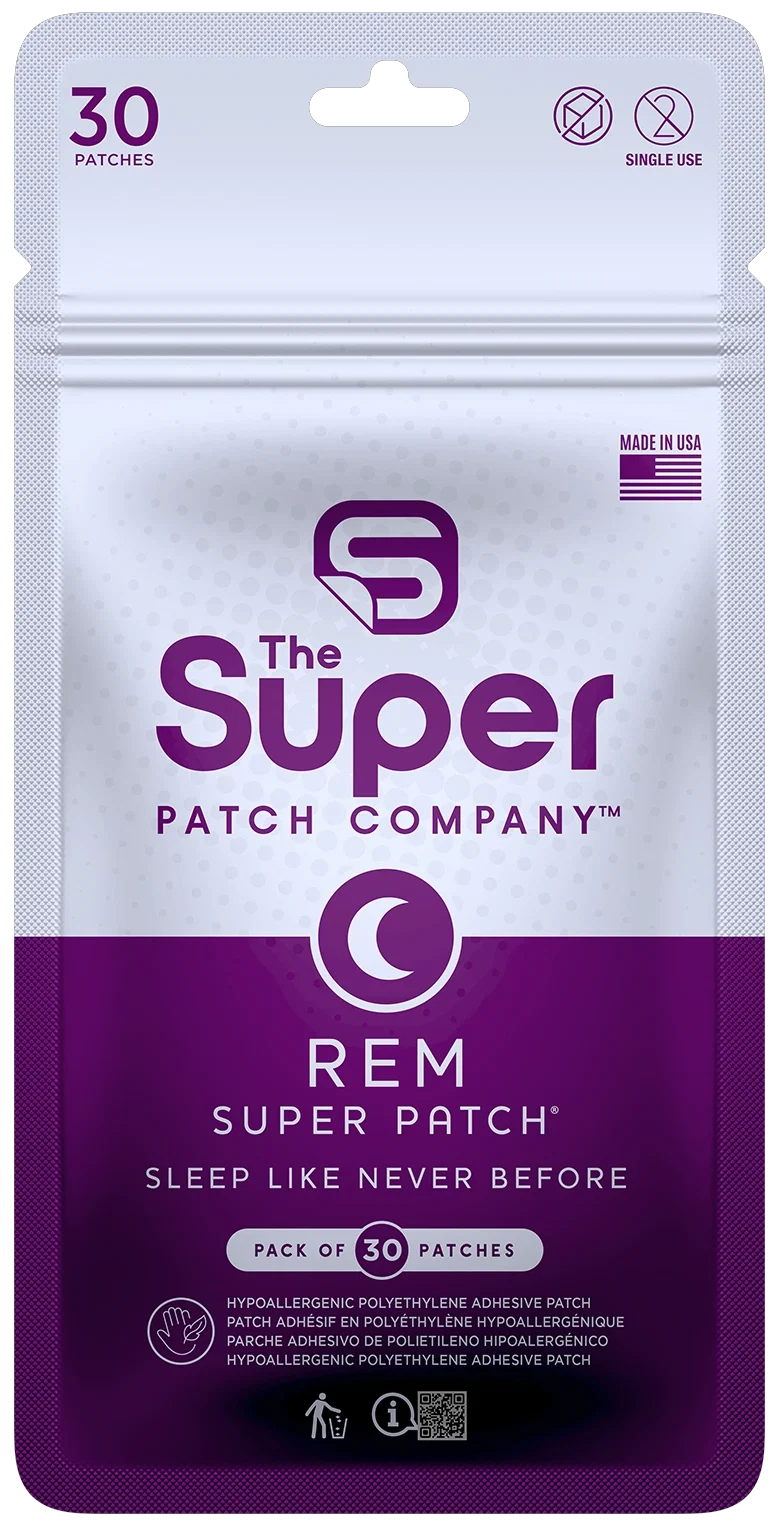
Back pain is a prevailing issue that affects millions globally, often hindering daily activities and diminishing quality of life. While there are myriad solutions available, not all are convenient or effective for everyone. Among these, back pain patches have gained significant traction due to their ease of use, portability, and potential for immediate relief. These patches are designed to target pain at its source, delivering active ingredients directly to the affected area. This guide aims to explore the different facets of back pain patches, their benefits, and how to choose the right one for your needs.
Understanding Back Pain Patches
Back pain patches are adhesive pads infused with medication or natural ingredients that help alleviate pain. They work by directly delivering these components through the skin, ensuring faster absorption and relief compared to oral medications. Typically, they contain analgesics, anti-inflammatories, or transdermal compounds that work together to reduce pain and inflammation.
Key Benefits of Using Back Pain Patches
- Targeted Relief: Patches offer localized treatment, focusing on specific pain areas.
- Convenience: They are easy to apply and can be used discreetly under clothing.
- Reduced Side Effects: Since patches bypass the digestive system, they often minimize systemic side effects.
- Consistent Dosage: Provides a controlled release of medication over time, ensuring steady pain management.
Choosing the Right Back Pain Patch
With various options available, selecting the right back pain patch requires careful consideration of individual needs and preferences. Here are factors to keep in mind:
1. Ingredients
Different patches contain different active components. Some might include menthol or capsaicin for warmth, while others use lidocaine or diclofenac for their analgesic properties. Discover expert strategies here to determine which ingredients align with your pain relief needs.
2. Duration of Effect
Check how long the patch remains effective. Some provide relief for a few hours, while others might last for up to 24 hours. This can significantly influence convenience and efficacy.
3. Skin Sensitivity
Individuals with sensitive skin should look for hypoallergenic options to prevent irritation. Find out more about this approach to ensure a comfortable experience.
4. Patch Size
The size of the patch should cover the affected area adequately. Larger patches are ideal for widespread pain, while smaller ones are suitable for localized discomfort.
Application and Usage Tips
For optimal results, proper application of back pain patches is crucial. Here are some tips:
- Clean the Area: Ensure the skin is clean and dry before application to enhance adhesion and efficacy.
- Follow Instructions: Always adhere to the manufacturer’s instructions regarding duration and placement.
- Avoid Overlapping: Do not overlap patches unless specified, as this can affect absorption and effectiveness.
- Monitor Skin Reaction: If any irritation occurs, discontinue use and consult a healthcare professional.
Integrating Patches into a Pain Management Plan
While back pain patches offer significant relief, they should be part of a comprehensive pain management strategy. Combining patches with physical therapy, lifestyle changes, and other medical treatments can enhance overall pain management. Explore advanced guides and tips to build a personalized and effective pain management plan.
Conclusion
Back pain patches serve as an effective tool for managing pain, offering targeted relief with minimal side effects. Selecting the right patch and using it correctly can significantly improve comfort and quality of life. By understanding the different types of patches and their applications, individuals can make informed decisions to manage their pain effectively. Learn about our tailored solutions to further enhance your approach to managing back pain.
About the Author