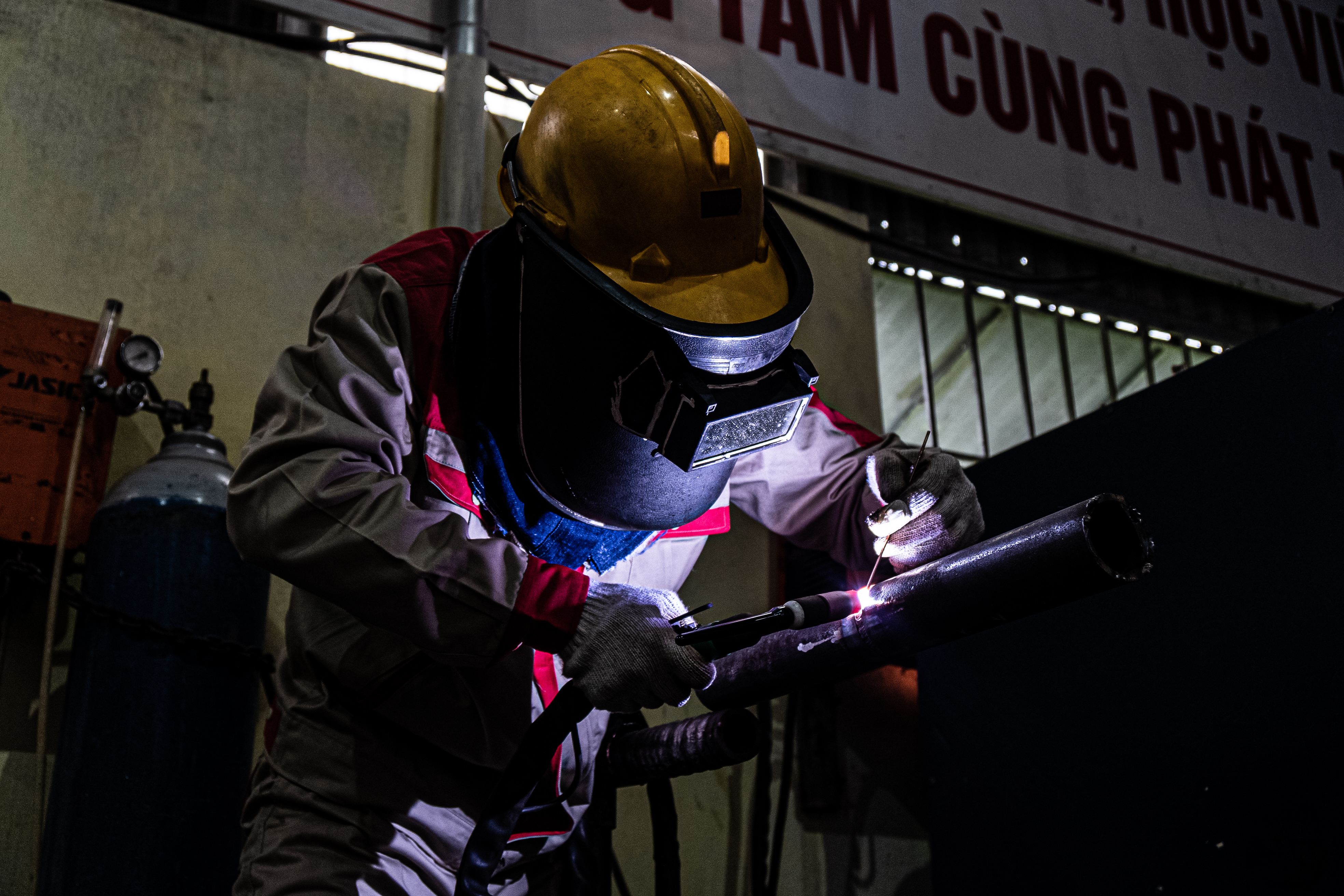
Creating a secure work environment is crucial in any industry. Facility safety solutions play an integral role in minimizing risks, preventing accidents, and ensuring compliance with safety regulations. With the right strategies and tools, organizations can enhance the safety of their employees and protect their assets. This article explores effective measures and solutions for maintaining a secure work environment, offering insights and practical advice for businesses looking to prioritize facility safety.
Understanding Facility Safety Solutions
Facility safety solutions encompass a wide range of practices and technologies designed to mitigate hazards in the workplace. These solutions are essential for safeguarding employees and ensuring operational continuity. When implemented effectively, they create a proactive culture of safety that can significantly reduce workplace accidents and injuries.
Key Components of Facility Safety
- Risk Assessment: Identifying potential hazards is the first step in developing a comprehensive safety plan. Conducting regular risk assessments helps pinpoint areas of concern and prioritize safety measures.
- Training Programs: Employee training is vital for fostering a safety-conscious workforce. Regular training sessions on emergency procedures, equipment handling, and personal protective equipment (PPE) usage are essential.
- Emergency Preparedness: Developing and practicing emergency response plans ensures that employees are prepared for unforeseen events. This includes fire drills, evacuation plans, and communication strategies.
- Equipment Maintenance: Regular maintenance of machinery and safety equipment prevents malfunctions that could lead to accidents. This involves routine inspections and timely repairs.
- Compliance and Documentation: Adhering to industry standards and maintaining accurate safety records is critical for regulatory compliance and continuous improvement.
Advanced Safety Technologies
The integration of advanced technologies has revolutionized facility safety. Innovative tools and systems enhance monitoring, communication, and response capabilities, providing robust solutions for modern workplaces.
Innovative Safety Tools
- Automation and AI: Automation reduces human error and enhances efficiency. AI-powered systems can predict potential hazards and suggest preventive measures.
- Wearable Technology: Devices such as smart helmets and vests monitor environmental conditions and worker health, providing real-time alerts for potential dangers.
- IoT Devices: The Internet of Things (IoT) enables real-time monitoring of facility conditions, from temperature and humidity to equipment status, ensuring timely interventions.
To delve deeper into these advanced safety tools and their applications, explore advanced guides and tips on the subject.
Tailored Safety Solutions for Different Industries
Every industry presents unique challenges and risks, necessitating customized safety solutions. Tailoring safety measures to specific operational needs ensures maximum effectiveness and compliance.
Industry-Specific Approaches
- Manufacturing: Emphasize machine safety protocols and PPE. Implement lockout/tagout procedures to prevent accidental machinery start-ups.
- Construction: Focus on fall protection, scaffolding safety, and site-specific hazard training.
- Healthcare: Prioritize infection control, ergonomic practices, and patient handling safety.
- Energy Sector: Implement arc flash safety measures, electrical safety protocols, and hazardous material handling procedures.
For a comprehensive understanding of tailored solutions for various industries, learn about our tailored solutions to meet specific safety requirements.
The Importance of Continuous Improvement
Facility safety is not a one-time task but an ongoing process that requires constant evaluation and improvement. Organizations must stay informed about the latest safety standards and advancements to maintain a secure work environment.
Strategies for Continuous Safety Enhancement
- Regular Audits: Conducting frequent safety audits helps identify new risks and evaluate the effectiveness of existing safety measures.
- Feedback Systems: Encourage employees to report hazards and suggest improvements through structured feedback mechanisms.
- Industry Collaboration: Engage with safety experts and industry peers to share insights and develop best practices.
To stay informed and continuously improve safety practices, discover expert strategies here.
In conclusion, implementing robust facility safety solutions is essential for protecting employees and ensuring business continuity. By understanding the unique needs of each industry and leveraging advanced technologies, organizations can create a safer, more productive work environment. Find out more about this approach to facility safety and how it can benefit your organization.
About the Author