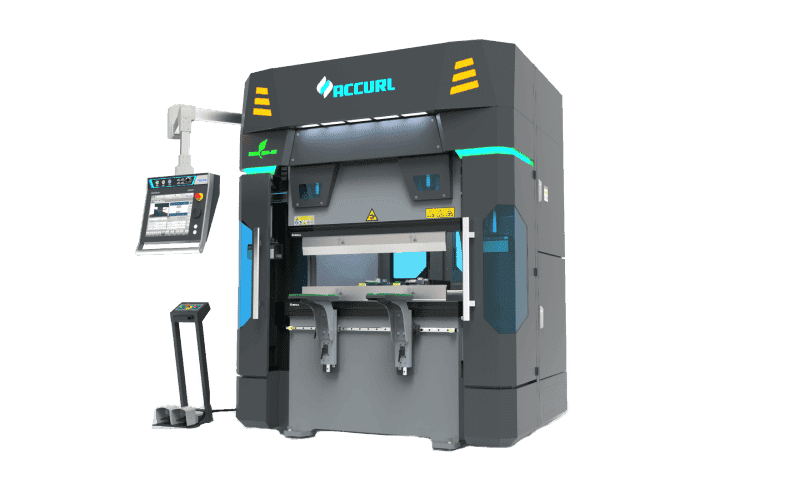
In the modern manufacturing landscape, efficiency is paramount. With technological advancements, even compact tools can significantly enhance productivity. The small press brake is one such innovation, offering exceptional capabilities in a compact form. This article explores how businesses can leverage these versatile machines to maximize efficiency, improve product quality, and reduce operational costs.
Understanding the Role of a Press Brake
A press brake is a machine used for bending sheet metal and plate material. It employs a punch and die system to form precise bends, making it an essential tool in metalworking. The advent of smaller models has expanded its utility, allowing operations of all sizes to benefit from its capabilities.
Benefits of Using a Small Press Brake
Smaller press brakes offer several advantages, particularly for businesses with limited space or lower production volumes:
- Space Efficiency: Designed to fit into smaller workspaces without compromising on performance.
- Cost-Effective: Generally more affordable than larger models, making them accessible to small and medium-sized enterprises.
- Ease of Use: Simplified controls and operation reduce the need for extensive training.
- Versatility: Suitable for a variety of bending applications, from simple to complex shapes.
Maximizing Efficiency with a Small Press Brake
To fully leverage the capabilities of a small press brake, consider the following strategies:
1. Optimize Setup and Tooling
Proper setup is crucial for maximizing efficiency. Ensure that the machine is calibrated correctly and that the tooling is suitable for the specific task. Regular maintenance checks can prevent operational delays and extend the lifespan of the equipment.
- Use best press brake machine practices for tooling setup.
- Invest in high-quality tooling to enhance precision and reduce wear.
2. Leverage Technology
Modern press brakes are equipped with advanced technology that can enhance productivity:
- CNC Controls: Computer numerical control (CNC) systems allow for precise programming and repeatability, reducing waste and improving accuracy.
- Automated Features: Features such as automatic back gauges and angle measurement systems can streamline operations and reduce manual intervention.
3. Train the Workforce
Even the most advanced equipment requires skilled operators. Providing comprehensive training can ensure that operators are proficient in using the machine, optimizing performance, and minimizing errors.
- Offer ongoing education to keep staff updated on the latest techniques and technologies.
- Encourage a culture of continuous improvement and learning.
Choosing the Right Press Brake
Selecting the right press brake is vital for maximizing efficiency. Consider the following factors:
- Capacity Requirements: Ensure the machine can handle the maximum material thickness and length needed for your projects.
- Features and Technology: Look for features that will benefit your specific applications, such as CNC controls or automated functions.
- Manufacturer Reputation: Choose a press brake machine for sale from reputable manufacturers known for quality and support.
Conclusion
Incorporating a small press brake into a manufacturing setup can significantly enhance operational efficiency. By optimizing setup, leveraging technology, and investing in workforce training, businesses can enjoy the benefits of precision bending without the need for large, costly equipment. For those seeking to enhance their metalworking capabilities, exploring options like a small press brake is a worthwhile consideration. The right choice can lead to improved productivity, reduced costs, and superior product quality, positioning a company for success in the competitive manufacturing industry.
About the Author